West Village Renovation Guide: Design-Build Expertise for Luxury Manhattan Homes
West Village Renovation Guide: Design-Build Expertise for Luxury Manhattan Homes
Approvals, Costs, Timelines, and What It's Really Like to Work with Star Renovations NY
If you own a home in the West Village, you already know why people stay. The architecture is irreplaceable, the blocks are human-scale, and the neighborhood has a character that no other part of Manhattan can replicate. But a beautiful address and a beautiful interior are two different things — and for many owners, there is a real gap between the two.
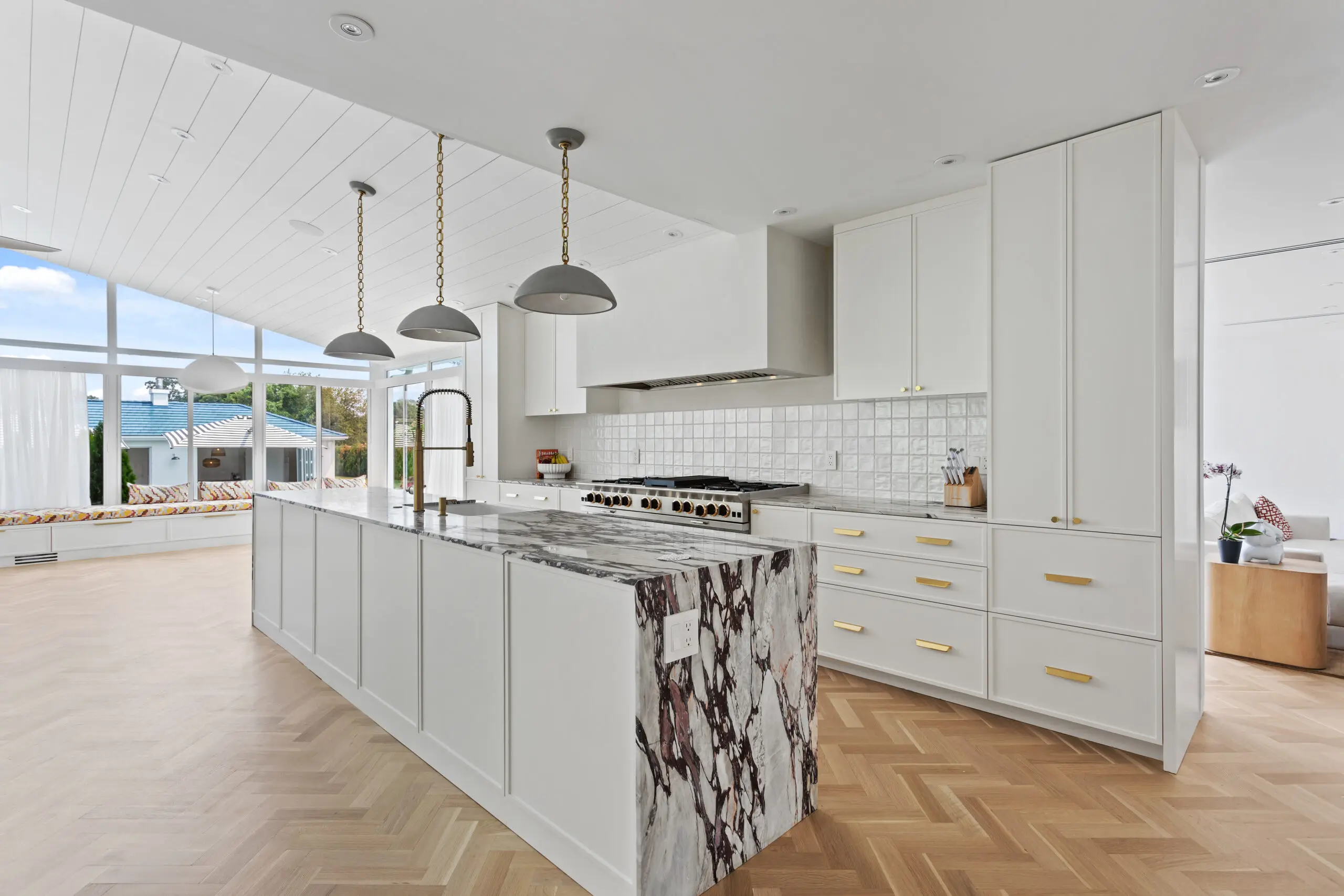
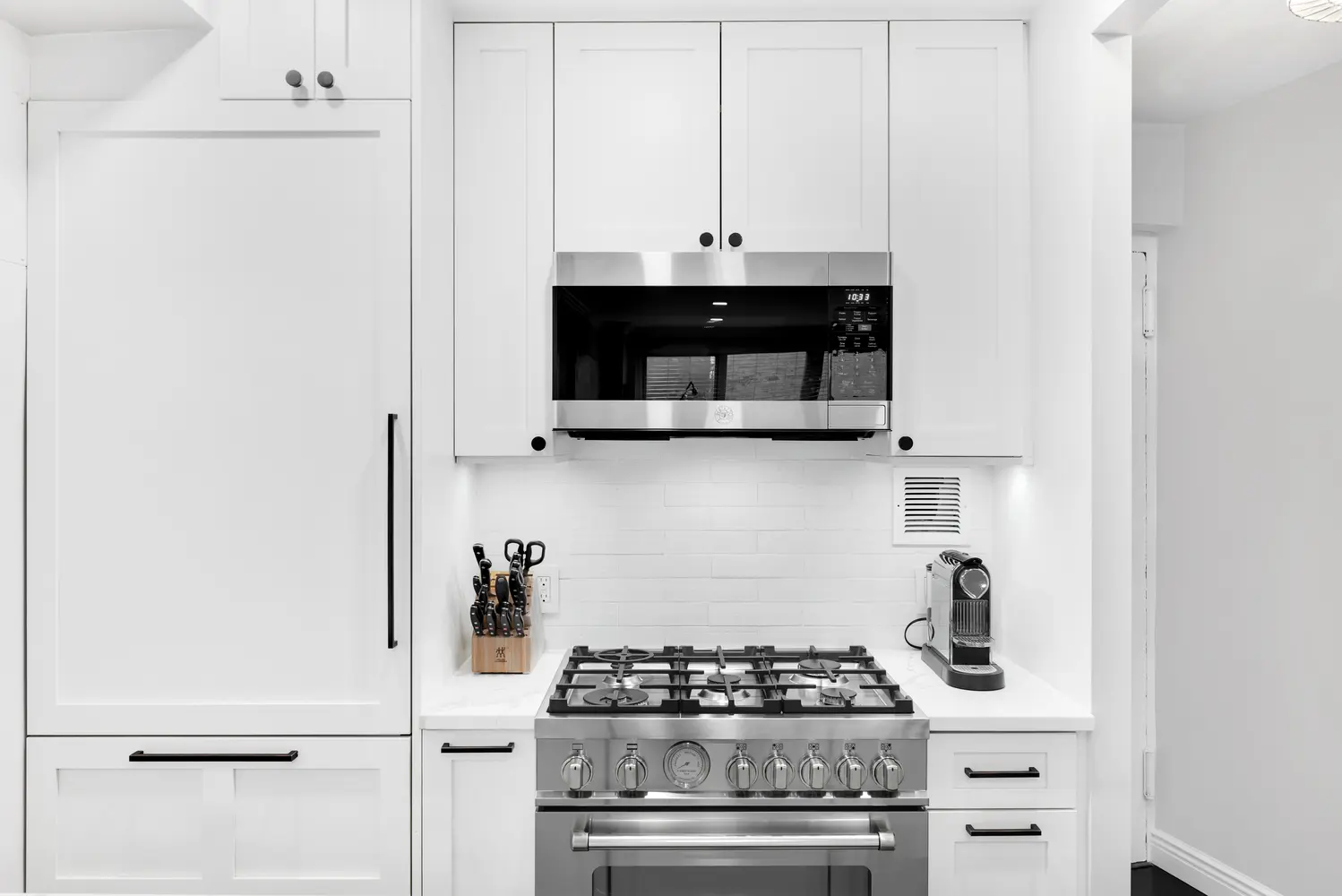
At Star Renovations NY, we have not just studied the West Village from the outside. We have worked inside it — a complete gut renovation on Horatio Street that turned a compact studio into a genuinely livable home; a full bathroom loft transformation delivering a marble-and-radiant-heat retreat where a dated layout used to be; a townhouse kitchen renovation that brought custom white cabinetry, marble countertops, and matte black hardware into a space that still kept its bay windows, exposed brick, and marble fireplace; and a Jane Street co-op renovation where board approval management and precise scope alignment were every bit as important as the finish work itself. Our full West Village portfolio reflects years of work in these buildings, on these streets.
We know the LPC requirements specific to the Historic District, the co-op board personalities, and the access challenges posed by narrow cobblestone streets and freight elevators designed for a different era. When a West Village homeowner hires us, they are getting a team that has already solved the problems unique to this neighborhood — not one learning them for the first time on their dime.

This guide covers everything worth knowing before you start: how approvals actually work here, what co-op and condo boards look for, what renovations cost and how long they realistically take, and what the experience of working with a dedicated design-build firm looks like from the inside.
Why West Village Homeowners Choose to Renovate Instead of Move
The West Village real estate market is competitive, and for most owners the calculus is straightforward: finding a comparable or better home in the same neighborhood is effectively impossible, and moving means giving up the streets, the restaurants, the light through familiar windows. The smarter investment is almost always in the home you already own.
The reasons to renovate come up in nearly every initial conversation we have with clients. Some are dealing with choppy, compartmentalized floor plans left over from an earlier era of apartment design. Others have kitchens that feel disconnected from the rest of the home, or bathrooms that work fine but offer none of the retreat-like quality people reasonably expect from a primary bath at this price level. Townhouse owners often contend with dark lower floors, outdated mechanical systems spread across multiple levels, and an overall lack of coherence between floors.
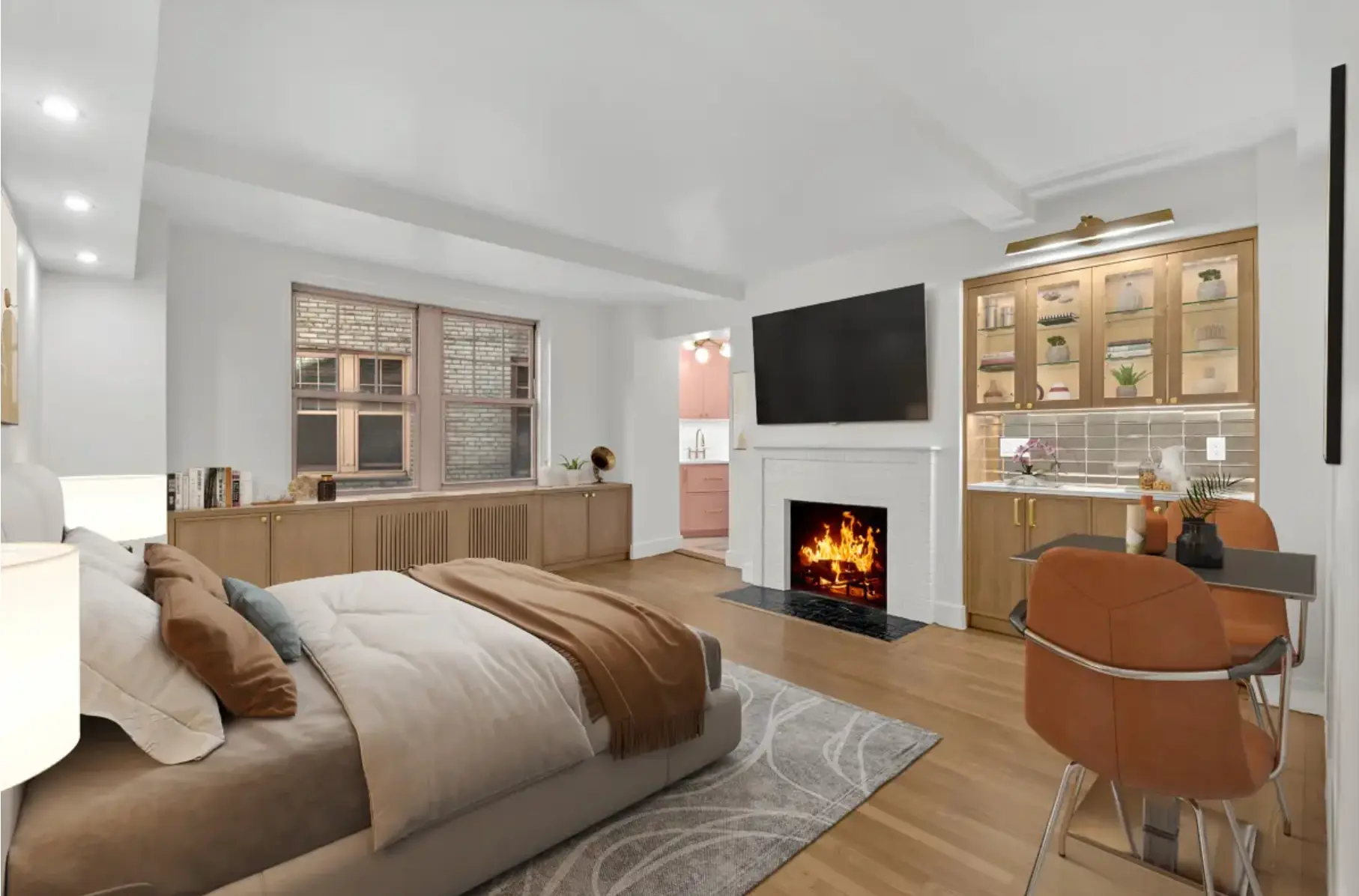
West Village is also a neighborhood where details matter in a way they do not everywhere. Pre-war moldings, original hardwood floors, exposed brick, cast iron details — these are features worth preserving and building around. A well-executed renovation honors what is already there and layers in the comfort, light, and storage that older homes almost never had. If you have been weighing whether it is time to act, our guide on when to gut renovate your NYC apartment is a useful starting point.
Understanding the Approval Process in the West Village
The approvals process is often where West Village homeowners feel most uncertain — and with good reason. It involves multiple layers of review that can run simultaneously or in sequence, and the specific requirements depend on your building type, your building’s rules, and the scope of work being proposed. Here is how each layer works, and where our experience in this neighborhood makes a concrete difference.
The NYC Department of Buildings (DOB)
For any meaningful renovation — one involving plumbing, electrical beyond like-for-like replacements, structural changes, or layout alterations — permits from the NYC Department of Buildings are required. The filing type depends on scope:
- An Alt-2 filing covers major alterations that do not change the Certificate of Occupancy. This is the most common path for gut renovations, kitchen expansions, bathroom additions, or work involving MEP (mechanical, electrical, plumbing) changes.
- An Alt-CO (formerly Alt-1) is required when the work changes the building’s use, the number of legal units, or the CO itself — relevant in some townhouse situations.
- A Limited Alteration Application (LAA) covers straightforward in-kind plumbing replacements where no fixtures are moved.
DOB permits require a licensed architect or engineer to prepare and file drawings. At Star Renovations NY, our integrated design-build process means our design team produces the construction documents that also serve as permit drawings. There is no handoff gap between designer and filing team — the same people who conceived your renovation are the ones managing the DOB submission. For a deeper look at the permit landscape, our guide to building your Manhattan renovation team step by step covers the professional roles involved.
Landmarks Preservation Commission (LPC) Rules in the West Village
The West Village Historic District is one of the most carefully protected neighborhoods in New York City — which is a large part of what makes it what it is. The LPC oversees any exterior changes to buildings within the district, including rear facades, not just street-facing fronts.
For interior-only renovations, LPC approval is generally not required. Where it becomes relevant is when scope touches the exterior: replacing windows, adding through-wall HVAC sleeves, modifying a rear terrace, or changing the facade in any way. In those cases, LPC review runs as a parallel track from DOB permitting, and approval typically needs to be in place before certain work permits are issued.
Roughly 90 percent of LPC applications are handled at the staff level, meaning your architect communicates directly with an LPC preservationist rather than going through a full public hearing. The process is more manageable than most homeowners expect — particularly when the drawings are clear, the proposed scope aligns with historic standards, and the submission is complete the first time. We prepare LPC-ready documentation as part of our standard design process for any project where exterior scope is involved.
Co-op Board Approvals in the West Village
If you own a co-op apartment — which describes a significant portion of West Village residences — your building’s board has broad authority over what renovations you can undertake. Before the DOB will accept your permit application, your co-op board typically needs to sign the Alteration Agreement, a binding document that sets the rules for your project. For a detailed breakdown of this process, our guide to NYC co-op and condo renovation timelines is worth reading before you start.
What boards typically look for in a submission package:
- Scaled architectural plans showing existing and proposed layouts
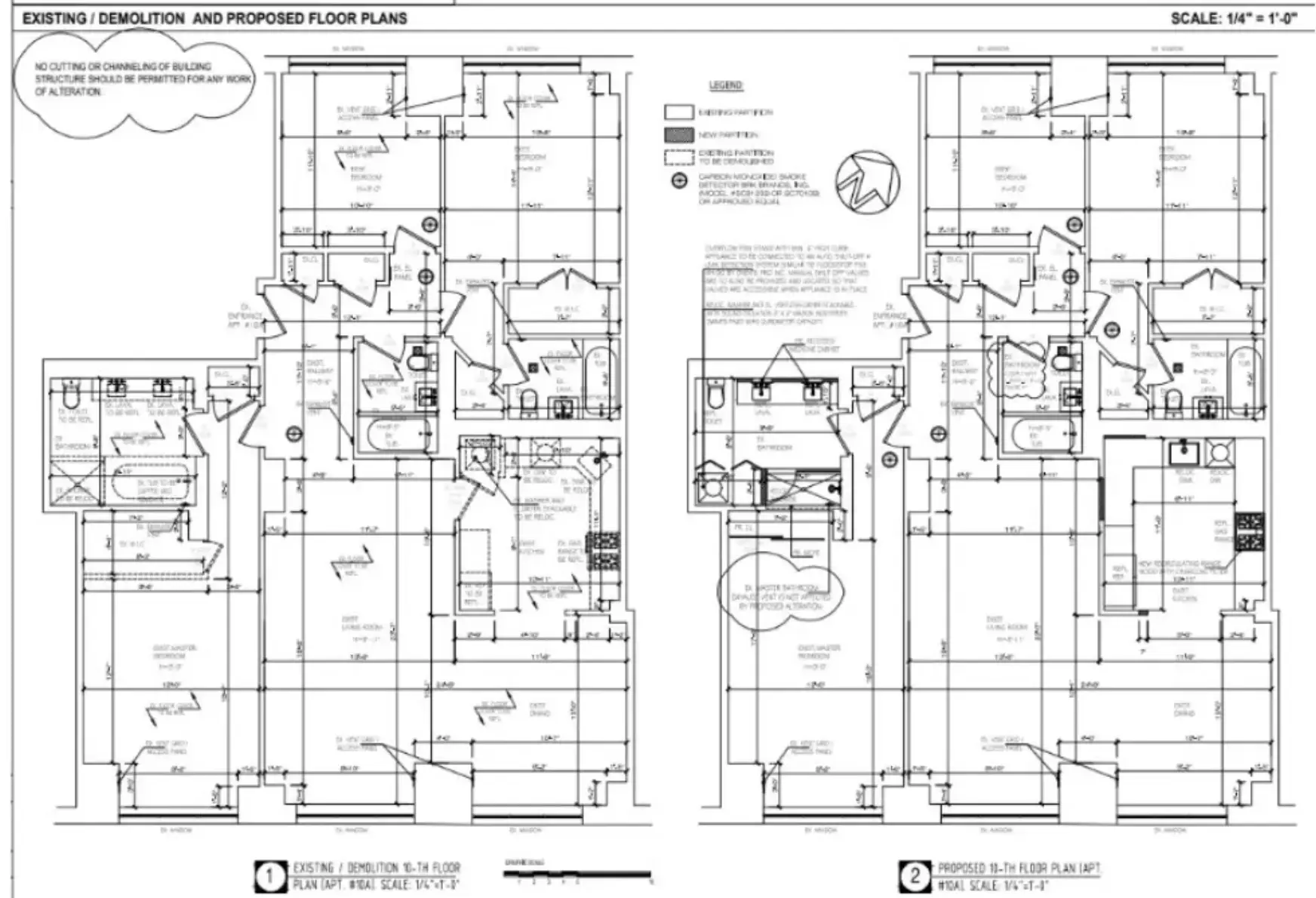
- Detailed scope of work, including all systems being touched
- Construction schedule and daily work hours
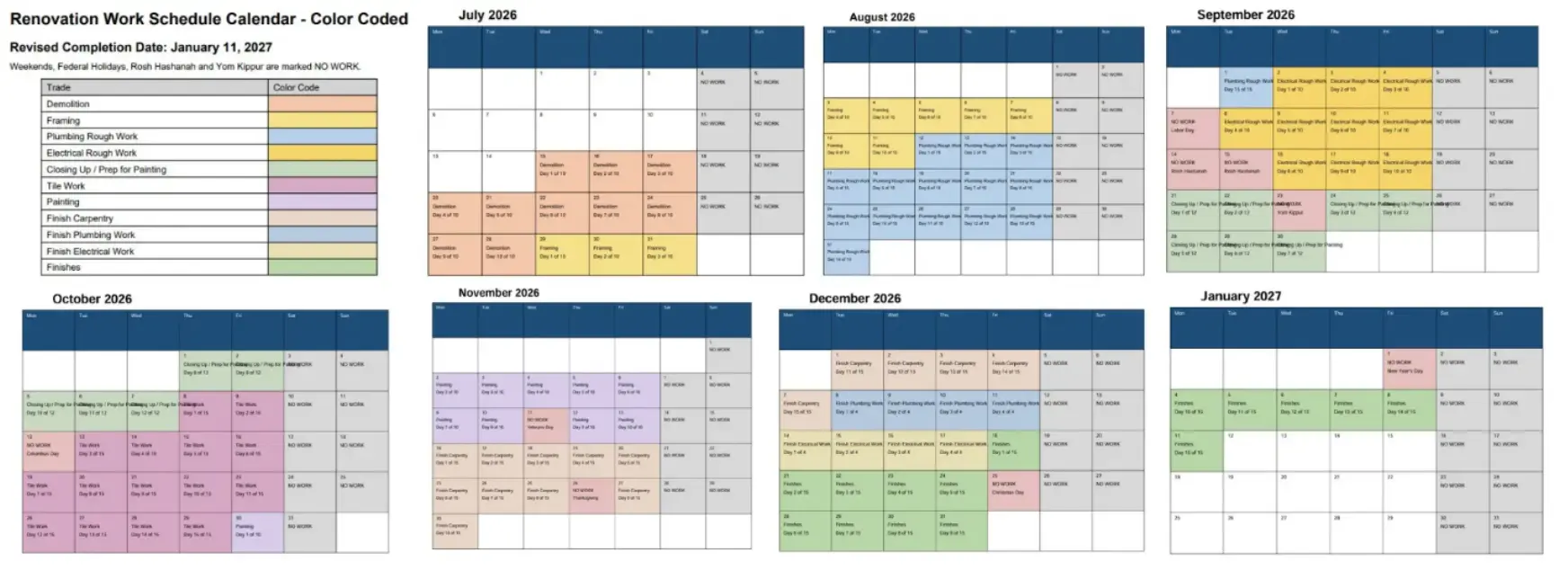
- Logistics plan covering elevator use, material deliveries, and debris removal
- Certificate of insurance from contractor and all subcontractors
- Contractor license information and references, if required
Assembling board submission packages is a core part of our process — not an afterthought. We know what West Village and Manhattan co-op boards look for, and we prepare packages that address common concerns directly: wet-over-dry compliance, neighbor impact, access logistics on narrow streets. If you own a condo, the process is similar but the board’s authority is typically narrower, and reviews tend to move faster.
The Wet-Over-Dry Rule
Worth mentioning specifically: many Manhattan buildings enforce a wet-over-dry rule, which prohibits placing a kitchen or bathroom over a living room or bedroom in the apartment below. This affects layout decisions meaningfully — particularly if you are hoping to add a bathroom in a location that sits above a dry zone in your neighbor’s unit. We evaluate wet-over-dry compliance early in the design process so there are no surprises later.
What a West Village Renovation Actually Involves
When we talk about a gut renovation in the West Village, we are describing a project that rethinks everything non-structural: the floor plan, the finishes, the systems, and the relationships between rooms. Structurally the building stays intact; within that framework, there is considerable design freedom.
In practical terms, a full interior renovation typically includes:
- Opening interior walls where structure and building rules allow, to improve light and flow
- Replacing flooring, doors, trim, and ceilings for a cohesive finish throughout
- Installing fully custom kitchens and bathrooms built around how you actually live
- Updating electrical, plumbing, HVAC, and lighting layouts for modern comfort and efficiency
- Adding custom millwork — built-ins, storage walls, shelving systems — that replaces freestanding furniture in tight spaces

West Village projects carry their own particular conditions. Older buildings mean older infrastructure — galvanized pipes, plaster walls, uneven floors — and any of these can affect scope and budget once walls are open. Narrow streets and limited elevator access make deliveries and staging more logistically intensive than in newer buildings with loading docks. We account for all of this in our planning. For a full picture of what to check before demolition begins, our Manhattan apartment gut renovation inspection guide walks through the pre-construction discovery process in detail.
West Village Kitchens and Bathrooms: Where Most Renovations Begin
Kitchen Renovations
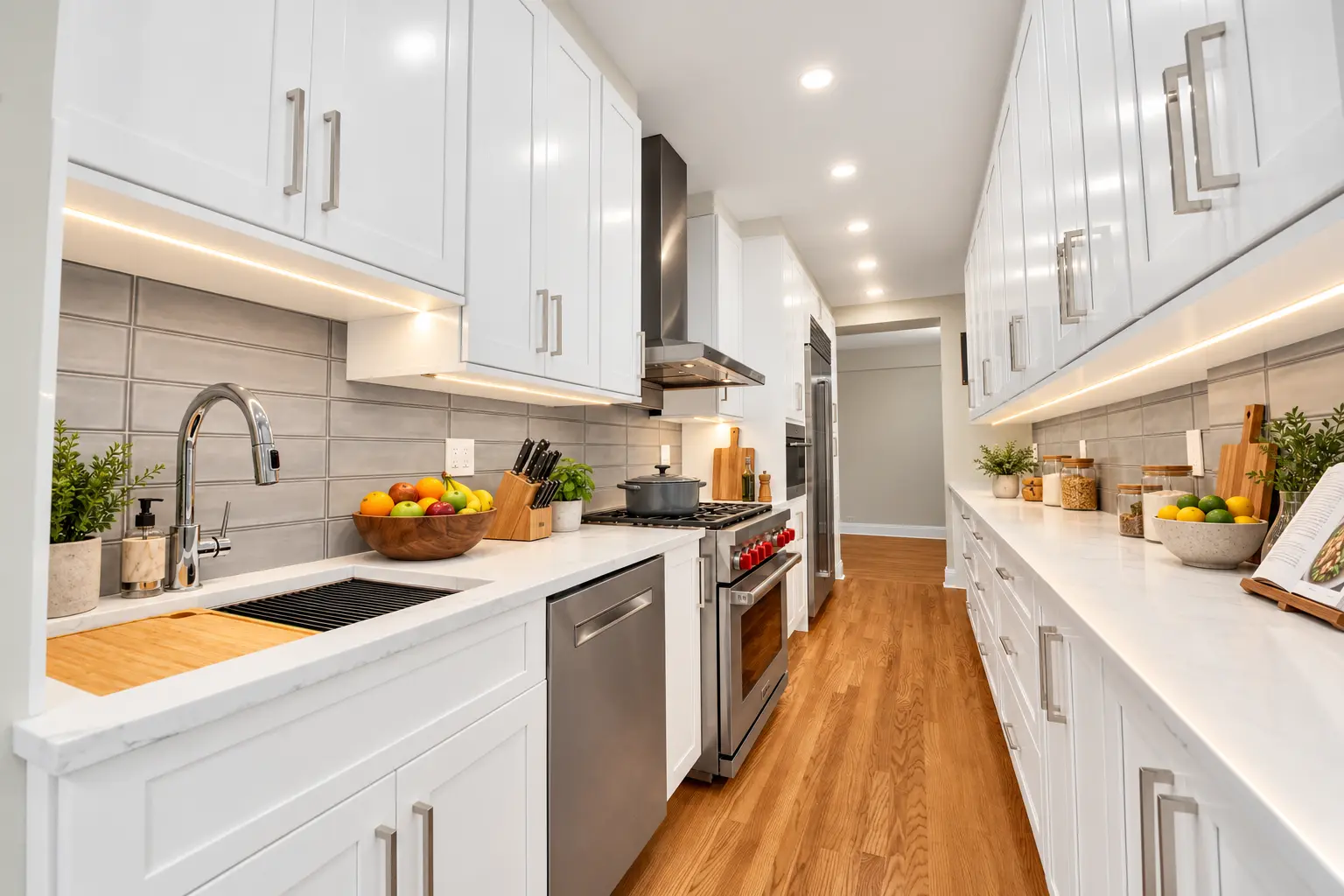
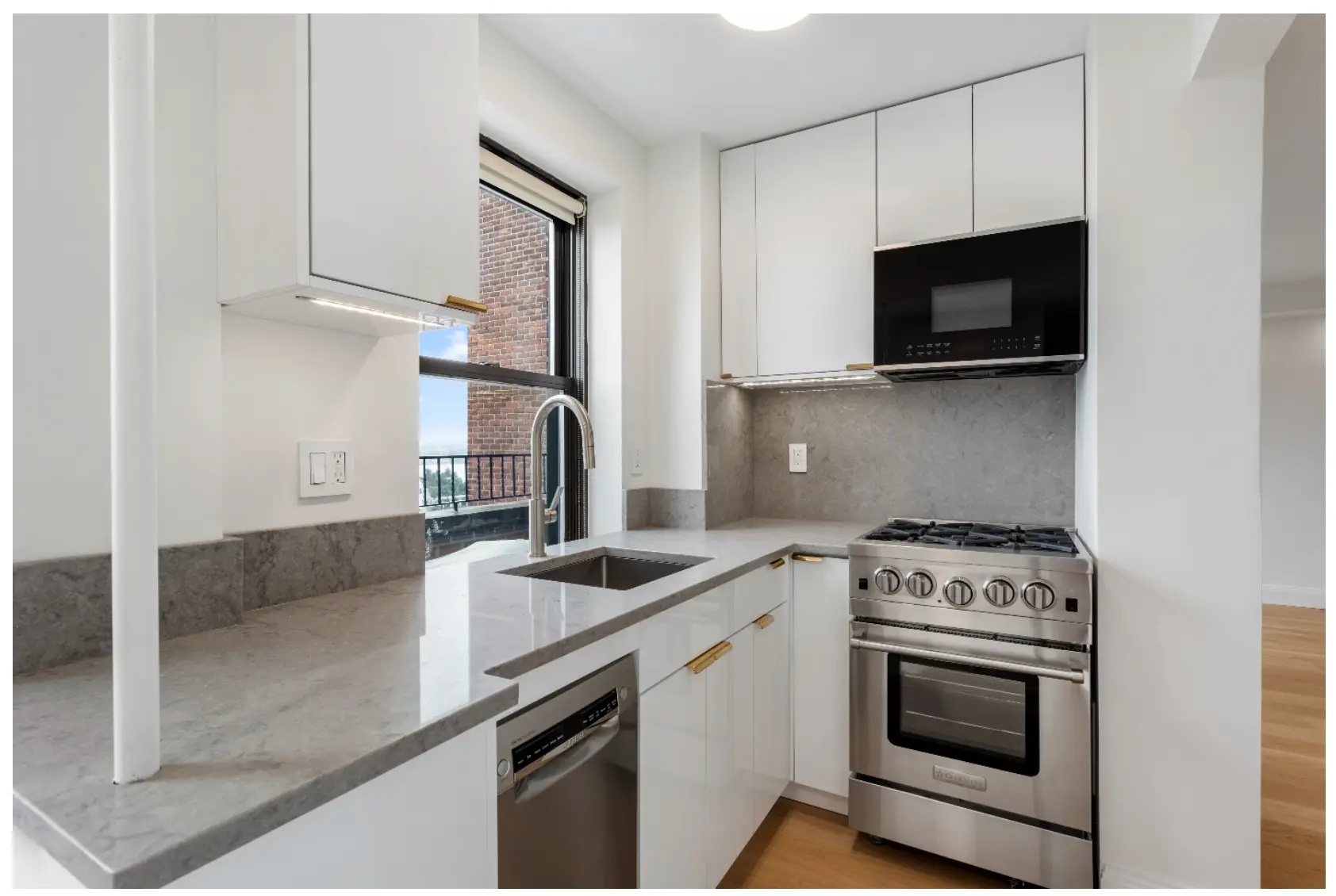
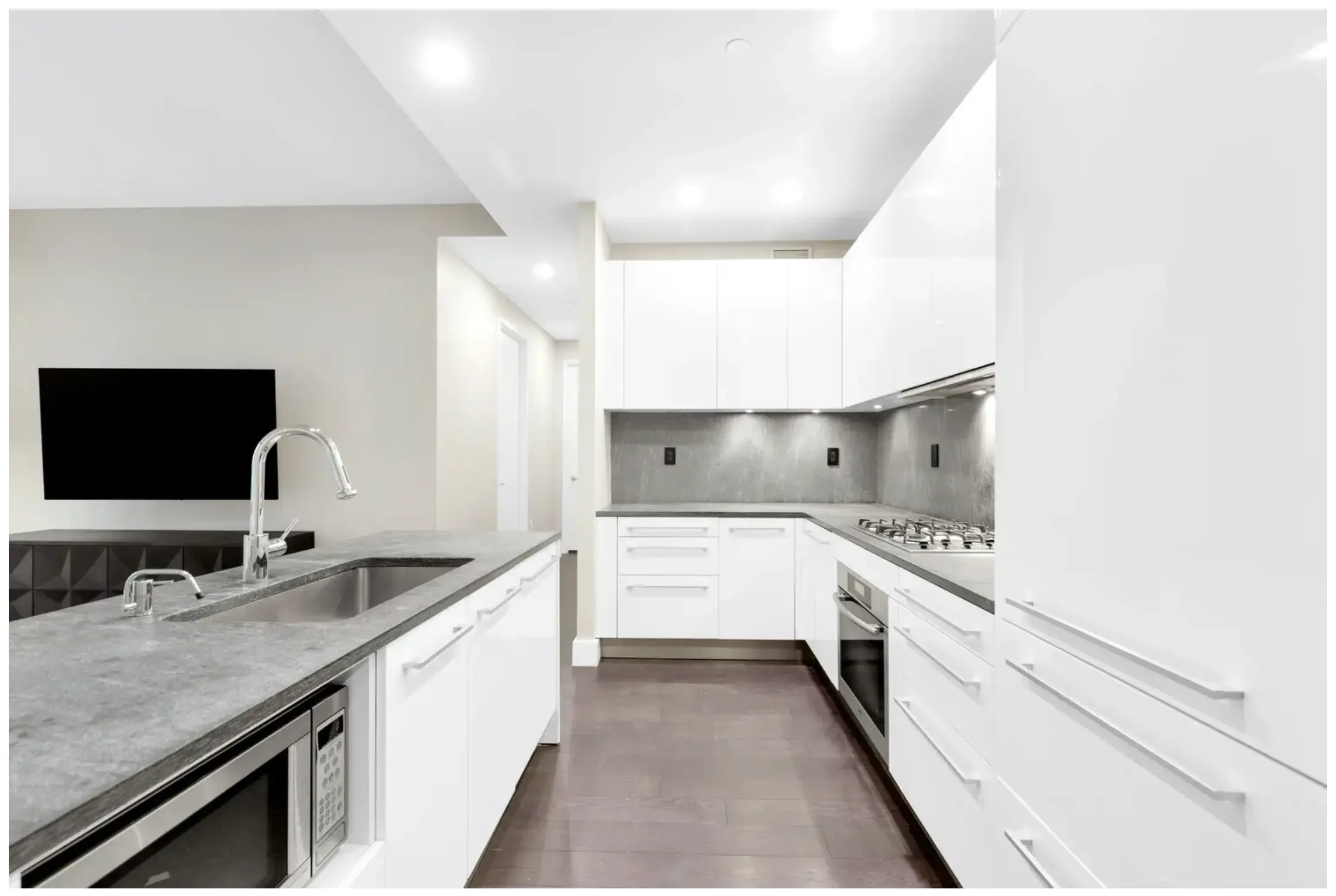
West Village kitchen renovations present a specific creative challenge: footprints are often compact, and the goal is to create a space that feels both efficient and visually calm despite the constraints. Our Manhattan kitchen renovation work focuses on smart layout choices, custom cabinetry that maximizes vertical storage, integrated appliances that reduce visual clutter, and thoughtful lighting layers that brighten even narrow or galley-style spaces. For design inspiration and planning guidance, our blog on Manhattan luxury kitchen remodel ideas and planning covers the decisions that matter most.
Bathroom Renovations
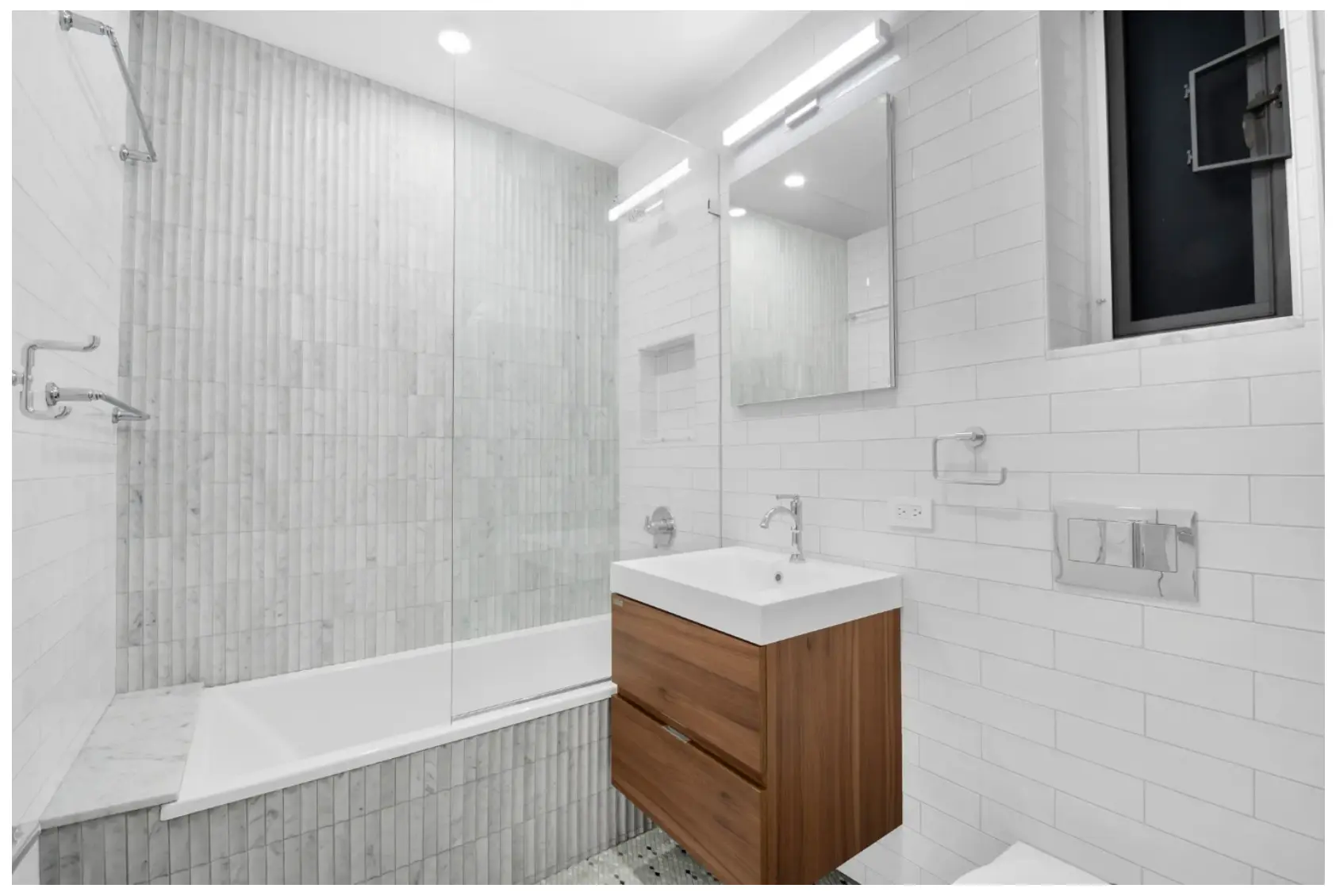
Our Manhattan bathroom renovation work in the West Village consistently focuses on turning functionally adequate bathrooms into rooms that feel like genuine retreats. Our Horatio Street apartment renovation below completed in 2026 is a clear example of what that transformation looks like in practice: an outdated co-op bathroom reimagined with a Porcelanosa marble feature wall, floating wood vanity, radiant heated floors, and a frameless glass enclosure — a space that now earns the word retreat rather than just the title of bathroom. Removing the separate shower stall freed up square footage for a laundry closet, which is exactly the kind of layout thinking that comes from design and construction working as a single team.
For primary bathroom renovations — the projects where the investment is highest and the expectation for a spa-level result is real — we focus on wet room waterproofing done properly, custom-fabricated vanities with organized storage, and stone or large-format tile that earns its cost. Our guide to Manhattan bathroom renovation rules, approvals, and real costs covers what to expect from the permit and approval side of these projects.
Bedroom and Living Space Transformations
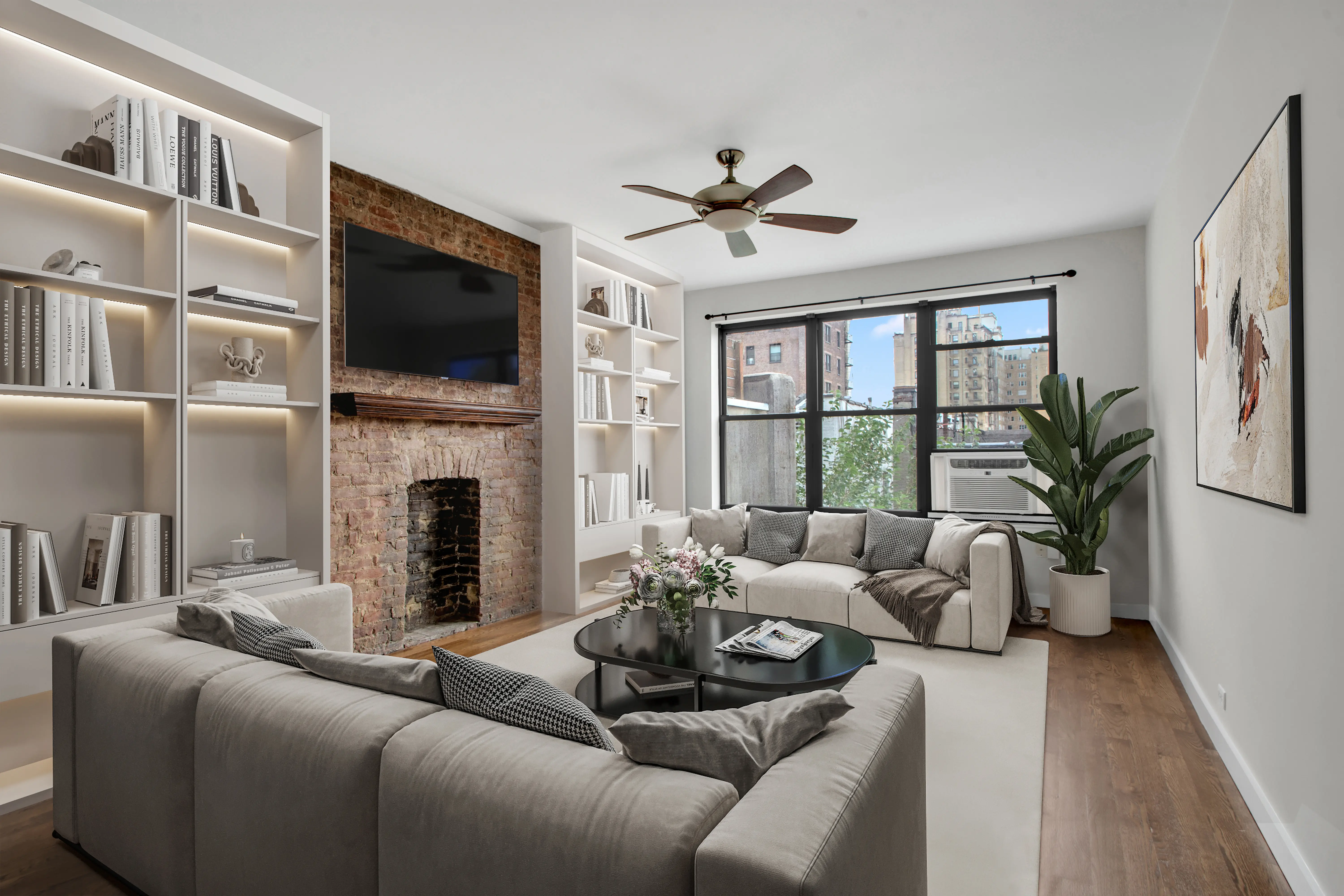
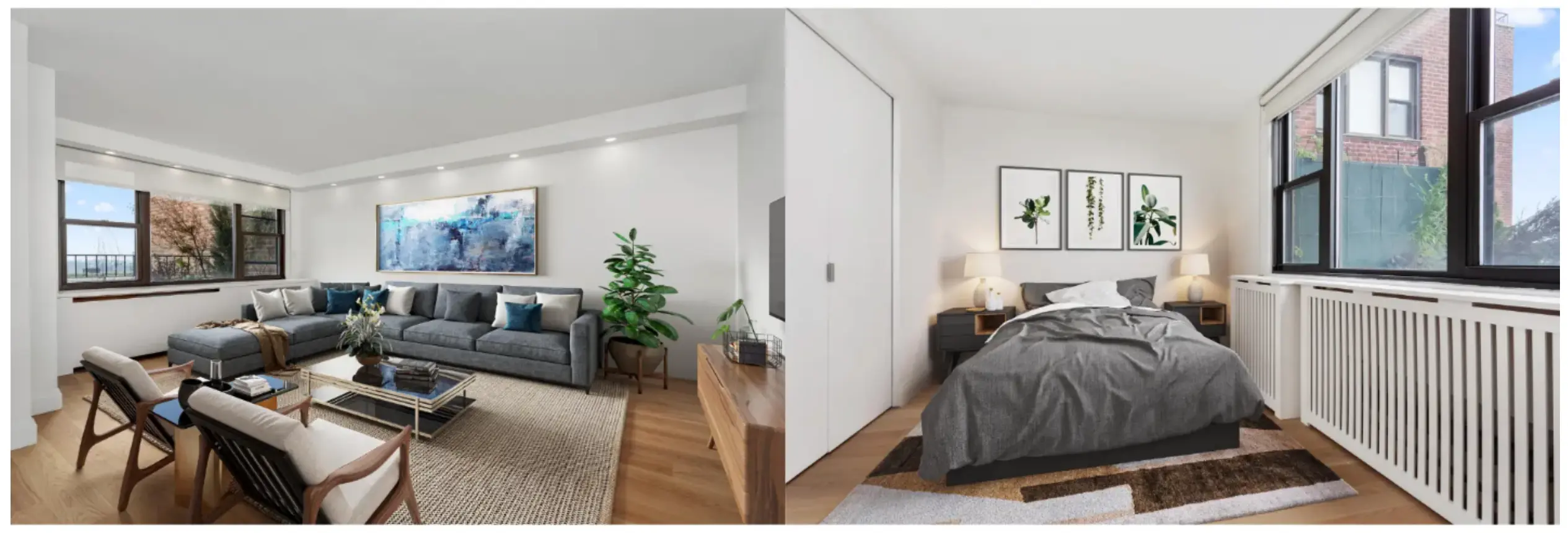
Beyond kitchens and baths, West Village homeowners often find that bedroom remodeling and living space transformations — custom storage walls, built-in shelving, improved lighting plans, and reconfigured layouts — are where the day-to-day feel of a home changes most noticeably. In apartments where square footage is fixed, the quality of every square foot is what matters.
Preserving West Village Character
One thing that distinguishes West Village projects from renovations in newer buildings is the character that is already present. Exposed brick, original hardwood floors, cast iron radiator covers, deep window sills, pre-war moldings — these are details that have real value both in terms of daily feel and resale. Our approach is to work with these elements rather than against them: designing around original features where they are worth keeping, replicating period-appropriate details where they have been damaged or removed, and then pairing the historic character with modern, luxury-level finishes and systems. For design ideas on working within tight pre-war spaces, our piece on luxury Manhattan renovation ideas for tight spaces is directly relevant.

Our Work in Nearby Neighborhoods
The West Village does not exist in isolation. The design sensibilities, approval processes, and building types that define it run continuously through the surrounding neighborhoods — and our track record extends through all of them. Such as our Flatiron condo full apartment renovation, Washington Square Loft and our Greenwich Village Custom Renovation which reflect the same integrated approach we bring to every West Village project — and the same depth of knowledge about what these specific neighborhoods require in terms of board management, LPC sensitivity, and high-end finish execution.
Projects in our portfolio reflect the continuity of our work across Manhattan. When you hire Star Renovations NY for a West Village renovation, you are not getting a team that is new to the neighborhood's architecture, approval structure, or logistical realities.
What Does a West Village Renovation Cost?
Cost is the question homeowners ask first, and it deserves a direct answer — with the honest caveat that renovation costs in the West Village are driven by specific variables that need to be understood before any numbers mean much.
For a full apartment gut renovation in Manhattan — new kitchen, new baths, updated MEP systems, new flooring, and layout changes — a realistic planning range is $450 to $800+ per square foot depending on the level of finishes, the complexity of the work, and access conditions. For a luxury co-op renovation with premium stone, custom millwork, and high-specification systems, budgets typically land above $600 per square foot. For a full townhouse gut renovation, costs vary more widely given the multi-floor scope.
The factors that most consistently move costs upward on West Village projects:
- Older infrastructure that requires full replacement once exposed — electrical panels, plumbing stacks, deteriorated galvanized pipe
- Structural surprises behind plaster walls or in subfloors — uneven joists, hidden damage, out-of-plumb conditions
- Access challenges: narrow streets, no loading dock, small elevators, limited staging space
- High-quality finish selections appropriate for West Village homes at this price level — custom cabinetry, natural stone, premium fixtures, radiant heat
For more on the cost variables across project types, our NYC full apartment renovation guide and guide to NYC gut vs. partial renovation cover the major decisions in detail.

How Long Does a West Village Renovation Take?
Timeline is closely tied to scope — and in New York City, the approval and permitting phase often determines the overall schedule more than construction itself. Here is a realistic overview.
- Design and Planning: 6–10 weeks. This covers discovery, on-site assessment, concept design, layout refinement, finish selection, and production of construction documents. For projects requiring board submissions, this phase also includes assembling the approval package.
- Approvals and Permitting: 4–12 weeks or more. Co-op board reviews can range from a few weeks to several months depending on the board, the project complexity, and how complete the submission is. DOB permit processing depends on filing type and current agency workload. LPC review, where required, runs as a parallel track.
- Construction: Kitchen or bathroom renovation, 8–10 weeks. Apartment gut renovation, 4–8 months. Townhouse gut renovation, 10–18 months or more for a full multi-level project with structural or exterior scope.
We cannot control how quickly a board schedules its review meeting, but we can control the quality of what we submit. We use BuilderTrend to manage schedules, track milestones, and keep clients informed throughout construction — progress photos, schedule updates, and budget tracking all accessible without needing to be on site constantly. For a full look at the communication process during renovation, our piece on streamlined NYC renovation communication is worth a read.
Why a Design-Build Firm Makes Sense for West Village Renovations
The West Village renovation market is not short on options. There are architects, interior designers, general contractors, and various combinations of the above, all available for hire. It is worth being direct about why the design-build model produces better outcomes for projects of this complexity.
When design and construction are separated, the coordination gap between them creates real risk. A design firm produces drawings; a contractor bids and builds from them. Misalignments between what was designed and what was budgeted surface mid-construction. Change orders follow. Schedules slip. Each party has a reasonable explanation for why the other party is responsible. The owner is left managing the interface between them.
Our integrated design-build approach eliminates that gap. Design decisions are made with construction knowledge. Budget is tracked from the design phase, not revealed after drawings are finalized. The same team that imagines the project delivers it. In a neighborhood like the West Village — where projects involve historic buildings, layered approvals, precise logistical planning, and a high standard of finish — that integration is not a convenience. It is a meaningful advantage. For a detailed comparison, our piece on the pros and cons of hiring a design-build firm covers the decision from multiple angles.
Star Renovations NY has been awarded Best of Houzz for Service for six consecutive years (2020 through 2026). If you want to see what we build across all project types and neighborhoods, our full project gallery is the right place to start.
What Our West Village Clients Say
We carry a 4.9-star rating on Houzz across 45 reviews. Here is what our West Village client had to say about the experience:
“Star Renovations NY was exceptional from start to finish. They navigated the co-op board approval process with ease — submitted a complete package the first time and never had to chase the board for a second round. The renovation came in on budget, the team was professional throughout, and the result genuinely exceeded what we imagined when we first reached out. We would not hesitate to recommend them to anyone renovating in the West Village.” — West Village Co-op Owner, via Houzz
You can read more reviews on our Houzz profile, where clients across Manhattan and Brooklyn have shared their experiences with our team.
Combination and Whole-Home Renovations
Some West Village projects start as kitchen or bathroom renovations and grow once clients see what is possible. Others begin as whole-home gut renovations from the start. Either way, our apartment remodeling services and experience with NYC combination apartment renovations mean we are equipped to handle projects at every scale — from a focused single-room transformation to a floor-by-floor reimagining of a multi-level townhouse.
If you are still defining the scope of your project, our blog on what a full NYC apartment renovation really involves walks through the decision-making process in plain terms. And if you want a checklist for vetting a design-build firm before you hire, our Manhattan design-build hiring checklist covers the questions worth asking.
Ready to Transform Your West Village Home?
West Village is not a neighborhood you leave if you can help it. The goal is to make your home as exceptional as your address — and that is exactly what we have been doing here for years.