
Pre-War Renovation NYC: EVERYTHING YOU NEED TO KNOW!
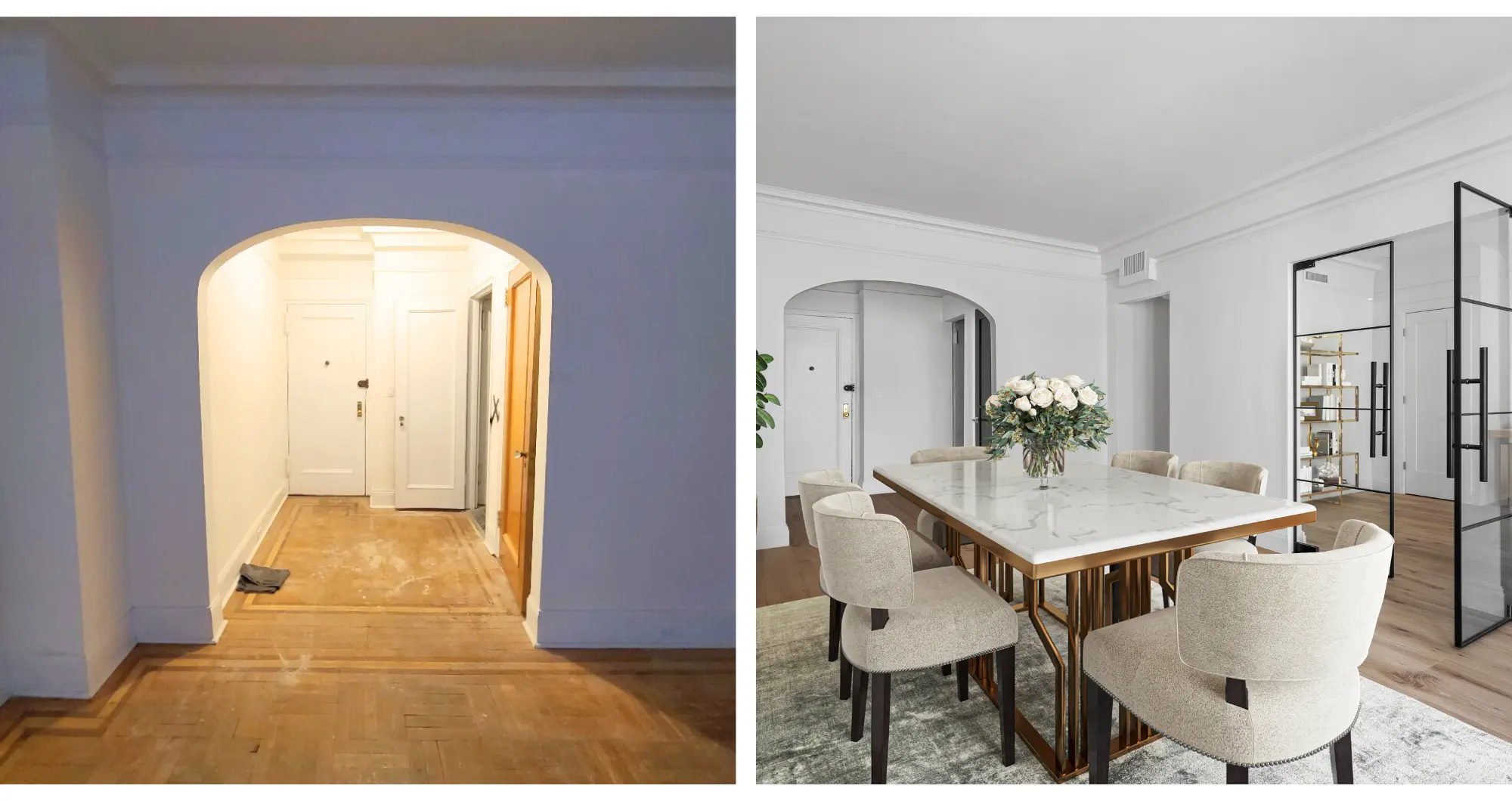
Pre-War Renovation NYC: EVERYTHING YOU NEED TO KNOW!
Pre-war buildings are especially prevalent in some of New York City’s most sought-after neighborhoods, making pre-war renovation NYC a highly searched topic among homeowners and buyers alike. Areas such as the Upper West Side, Upper East Side, Chelsea, Greenwich Village, the East Village, SoHo, Tribeca, Brooklyn Heights, and Park Slope, are renowned for their abundance of classic pre-war co-op and condo buildings. These neighborhoods were largely developed in the early 20th century, resulting in a rich inventory of historic apartments with timeless architectural details. As demand continues to rise for character-filled homes in prime Manhattan and Brooklyn locations, more homeowners are investing in pre-war apartment renovations to modernize these spaces while preserving their original charm.

Pre-War Renovation NYC
Renovating a pre-war apartment in New York City is more than just updating floors or modernizing fixtures — it’s about respectfully blending historic charm with today’s lifestyle needs.
These unique homes reflect the city’s architectural legacy and continue to be among the most coveted real estate assets in NYC. But when it comes to pre-war renovation in NYC, there are crucial things homeowners need to know before they start.
In this comprehensive guide, we’ll break down:
• What pre-war buildings are
• Why they’re beloved (and sometimes challenging)
• Key considerations before renovating
• Top renovation ideas for pre-war apartments
• How Star Renovations NY can help you bring your vision to life
Let’s dive in!
What Does “Pre-War” Mean in NYC Real Estate?
In New York City, the term “pre-war” apartment refers to buildings constructed before World War II, typically between 1900 and 1939. Some definitions stretch as far back as the 1880s, but the common architectural and construction styles that define pre-war living stem from the early 20th century.
These buildings stand in contrast to post-war structures built after 1945 — and both have unique identities. While post-war buildings often have simpler, modern layouts, pre-war apartments are known for their rich architectural details and classic character. The NYC Broker
Why NYC Homeowners Love Pre-War Apartments
Pre-war apartments have risen in popularity among NYC buyers — and not just for nostalgia. Here’s what makes them special:
1. Historic Character & Architectural Craftsmanship
Pre-war homes boast an old-world elegance that modern buildings often lack:
• High ceilings that create airy, spacious interiors
• Original hardwood floors and parquet patterns
• Intricate moldings and ornate plasterwork
• Fireplaces and grand entry foyers
• Thick plaster walls and traditional layouts
These features aren’t just decorative — they reflect a level of craftsmanship rarely found in newer construction. Douglas Elliman+1
2. Functional Benefits Built Into Design
Over time, people discovered that pre-war features weren’t just beautiful — they were practical too. For example:
• Thicker walls provide enhanced sound insulation
• Major rooms are generously sized with formal separation
• Large windows allow more natural light
This blend of charm and functionality makes pre-war apartments feel like timeless homes — spaces with soul. 6sqft
3. Exceptional Value in NYC’s Real Estate Market
Many pre-war buildings are co-ops, a common ownership structure in NYC. While co-ops come with specific approval rules (more on that later), they historically offered more affordable entry into NYC living than luxury high-end condos — especially in classic neighborhoods like the Upper West Side or Brooklyn Heights. 6sqft
Pre-War vs. Post-War NYC Buildings
It’s helpful to understand how pre-war apartments differ from post-war living spaces:
Feature Pre-War Post-War
Construction era Before WWII (1900–1939) After WWII (1945 onward)
Design Ornate, traditional Modern, efficient
Ceilings Often taller Standard height
Layout Separate rooms Open-plan living
Character Historic charm Sleek & functional
Building type Mostly co-ops More condos and rentals
Pre-war spaces are often beloved for their historic soul, while post-war spaces appeal to buyers seeking modern, minimalist living. The NYC Broker
Why People Choose to Renovate Pre-War Apartments
Even though these apartments are beautiful, many homeowners decide to renovate because:
1. Original Systems Are Outdated
Pre-war apartments were built before modern electrical, plumbing, and HVAC technologies existed. Updating these systems is often necessary to meet current code requirements and support contemporary lifestyles.
2. Layouts Don’t Always Match Modern Preferences
Many pre-war homes have compartmentalized kitchens and separate dining rooms, which contrast with today’s preference for open-plan living spaces. Renovation allows homeowners to reimagine how their space flows. 6sqft
3. Opportunities to Preserve and Enhance Historical Details
Selective renovation allows you to restore original details — like crown moldings — while upgrading where it matters most, such as in kitchens and baths. This balance preserves character while bringing comfort and functionality up to speed. Zicklin Contracting

Common Challenges in Pre-War Renovation NYC
Renovating a pre-war apartment is rewarding, but it comes with unique hurdles:
1. Hidden Conditions Behind Walls
Lath and plaster walls often hide outdated wiring, corroded plumbing, or uneven surfaces. Once renovation begins, these issues may need full replacement — increasing labor and coordination. Srny
2. Older Electrical & Plumbing Systems
Many pre-war apartments lack modern electrical capacity (e.g., grounded outlets, panel switches) or updated plumbing — requiring careful planning and often building approvals.
3. Structural & Building Regulations
Most pre-war apartments are co-ops, which means you’ll need approval from the co-op board before starting renovation. Boards can be strict about construction hours, noise limitations, and structural changes — so working with experienced renovators is key. srny.nyc
4. Materials That May Contain Hazards
Older plaster, pipe insulation, and floor finishes may contain lead or asbestos, which must be professionally tested and remediated to ensure safety. srny.nyc
Key Areas to Focus on in Your Pre-War Renovation

1. Kitchens & Bathrooms
These are often the most outdated areas. Opening up walls to create a more open kitchen or adding a second bathroom can dramatically increase enjoyment and value.
• Consider expanding kitchens into adjacent rooms
• Add high-efficiency appliances with period-appropriate finishes
• Upgrade fixtures while preserving classic details
2. Restoring Original Architectural Features
Not everything old needs to be removed! You can:
• Refinish hardwood floors
• Restore or replicate original moldings
• Refinish plaster walls for a smooth, clean finish
These details add timeless character and cultural appeal.
3. Smart Electrical & Mechanical Upgrades
Modern living demands modern performance. Upgrade your electrical panel, install updated lighting, and add a smart HVAC system — all while keeping the installation discreet and respectful of historic aesthetics.
4. Soundproofing & Structural Improvements
Many pre-war buildings suffer from uneven floors or squeaks. Proper subfloor installation and sound attenuation can make your home feel solid and luxurious.

Pre-War Renovation Ideas to Inspire Your Project
Here are some specific renovation ideas that balance modern living with pre-war charm:
Open Concept With Classic Detail
Knock down non-structural walls to open a classic living room and kitchen, but keep or replicate ornate moldings to preserve character.
Statement Lighting & Designer Fixtures
Pair modern lighting with pre-war proportions — such as dramatic chandeliers in dining rooms or strategically placed sconces on high ceilings.
Custom Millwork That Feels Original
Built-in shelving or cabinetry with wood tones and profiles that match original architecture keeps upgrades cohesive.
Luxury Bathroom Retreats
Transform dated baths into spa-like spaces with period-correct tile patterns and luxury finishes.
How Star Renovations NY Handles Pre-War Projects
At Star Renovations NY, we specialize in pre-war renovation in NYC from concept to completion — including:
• Architectural design and planning
• Co-op board and DOB approval packages
• Thorough electrical, plumbing, and HVAC upgrades
• Custom millwork, hardwood refinishing, and plaster restoration
• Protection plans for hallways, elevators, and common spaces
Our design-build approach ensures your renovation respects both the building’s history and your lifestyle needs, delivering a result that marries classic charm with modern performance. srny.nyc
Frequently Asked Questions (FAQs)
Q: How long does a pre-war renovation usually take?
A: Timelines vary by scope, but thorough planning and approvals typically add three months to the schedule. Working with an experienced team helps streamline this process.
Q: Do I need co-op board approval?
A: Yes — most pre-war apartments are co-ops and require board approval for any renovation work. srny.nyc
Q: Can I preserve original features while renovating?
A: Absolutely — our team specializes in preserving or replicating historic elements while adding modern amenities. srny.nyc
Final Thoughts: Pre-War Renovation NYC Done Right
Pre-war apartments are architectural treasures. Their charm, space, and character make them highly desirable, but renovating them requires thoughtful planning, expert execution, and a deep respect for the building’s history.
Whether you’re updating a classic six-room on the Upper West Side or modernizing a Chelsea co-op, understanding the nuances of pre-war construction and NYC renovation rules is essential for success.
✨ Ready to unlock your pre-war apartment’s full potential? Star Renovations NY is here to guide you from the first sketch to the final walkthrough.
👉 Contact us today to start your pre-war renovation journey!