
Build Your Manhattan Renovation Team, Step by Step
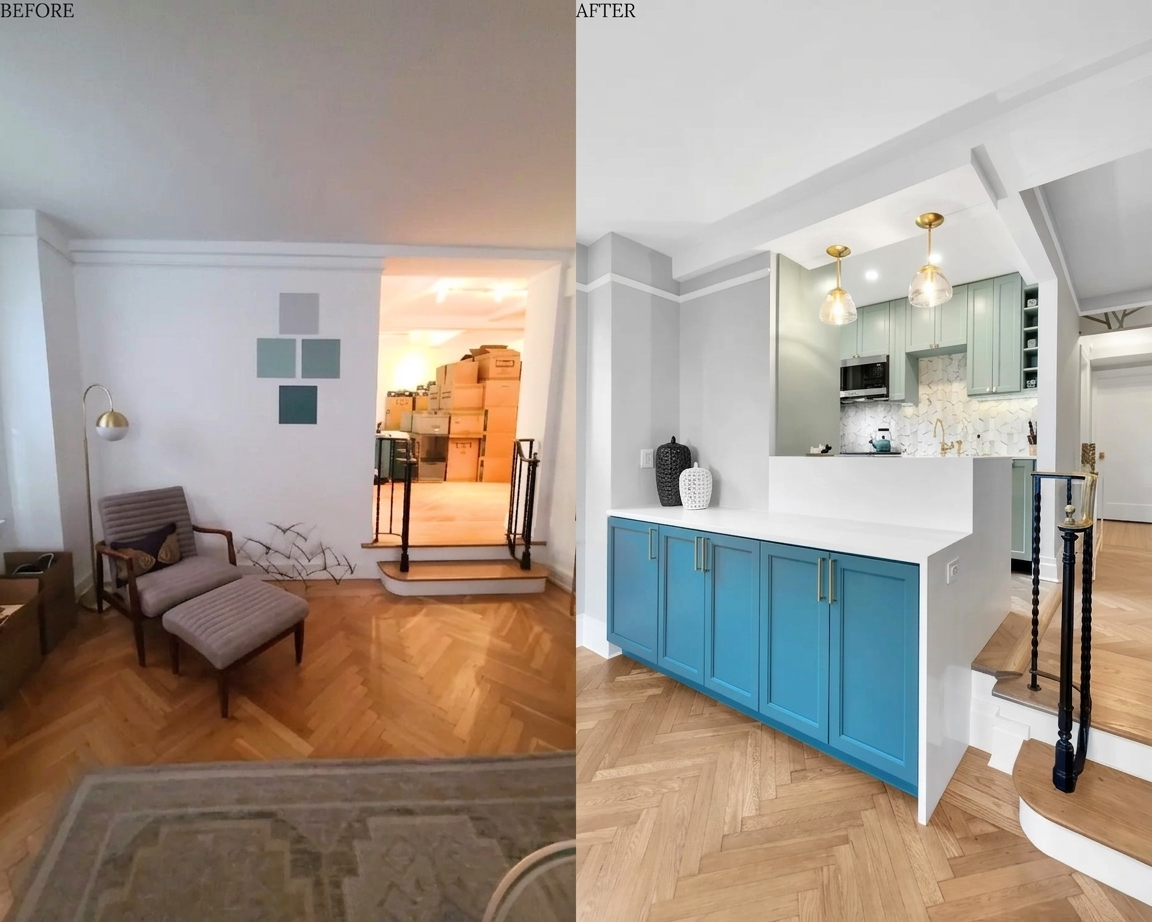
Build Your Manhattan Renovation Team, Step by Step
How to Build Your Manhattan Renovation Team (And Why Star Renovations NY Makes It Simple)
Renovating a Manhattan home is one of the most rewarding things you can do — and one of the most logistically complex. A simple idea like opening up the kitchen can quickly expand into conversations about architects, expeditors, engineers, general contractors, and interior designers. It’s easy to feel unsure who you actually need, in what order, and how to keep everyone pulling in the same direction.
When the sequence is off, projects run into delays, board pushback, last-minute design changes, and permit complications. When the sequence is right, everything moves with clarity and purpose. The right team structure supports a smooth, stress-free renovation experience from the first design conversation through the final walkthrough.
This guide walks you through the renovation team map every Manhattan homeowner should understand — who does what, when to bring each professional in, and why many homeowners decide that working with a single NYC full-service renovation company like Star Renovations NY is simply the easier, smarter path.

Building the Right Manhattan Renovation Team From Day One
In Manhattan, your home is part of a larger building with its own rules, approvals, and timelines. That means your renovation is not just about style; it is about strategy and precision. The team you select, and the order in which you bring them on, will shape how seamless your project feels from initial concept to completion.
Many homeowners take a fragmented approach — and it’s easy to understand why. They hire an architect, then begin calling contractors, then realize they need an expeditor for permits, and only later engage an interior designer. By that point, design, approvals, and construction may be pulling in different directions, and suddenly the homeowner is the one trying to hold it all together.

A more effective, low-stress path is to think in terms of a coordinated team map:
• Design leadership early (architect and interior designer)
• Approvals support in parallel (expeditor and, when needed, engineer)
• Construction leadership confirmed before plans are finalized (GC)
If you are planning a renovation in the near future, early summer is a strategic time to secure your team. Boards, management companies, and the Department of Buildings all follow their own review schedules, and high-end finishes, custom millwork, and premium fixtures often carry longer lead times. Beginning design and approvals now makes it far easier to enter your preferred construction window without feeling rushed.
Decoding the Manhattan Renovation Team
Each professional on your renovation team has a distinct role, but the titles can be confusing. Below is how they function in clear, practical terms.
• Architect: Translates your goals into detailed floor plans and drawings that comply with building codes and DOB requirements. They plan layout changes, wall removals, and the home’s overall flow and structure.

• Expeditor: Manages DOB filings, permit applications, renewals, sign-offs, and status tracking so approvals move forward efficiently.
• Engineer: Reviews structural and building systems. They determine whether walls can be removed, how loads should be supported, and whether proposed changes are technically sound.
• General Contractor (GC): Oversees the physical build. The GC coordinates trades, manages scheduling, controls site conditions, and ensures that the work is executed to a high standard.
• Interior Designer: Shapes the look and feel of your home, from kitchen and bath design to fixtures, finishes, custom cabinetry, and built-ins, ensuring a cohesive, elevated aesthetic.

There is often overlap between these roles, which is part of what makes assembling a Manhattan renovation team so tricky. Some architects offer basic interior selections. Some contractors may provide input on layout. Some design-build firms still rely on outside partners for engineering or expediting. When responsibilities are scattered across separate companies, no one truly owns the full picture — and that’s when details slip and coordination falls on the homeowner. It’s exactly why so many Manhattan clients choose to work with Star Renovations NY from day one.
Client Testimonial:
In Manhattan, the stakes are especially high because of:
• Co-op and condo board approvals
• Detailed alteration agreements
• Strict work hours, elevator and access rules, and protection requirements
• Additional layers such as Landmarks Preservation Commission review or building engineers
This environment rewards a tightly coordinated, professionally managed team. When design, approvals, and construction are integrated under one umbrella, communication is clearer, craftsmanship is more consistent, and the homeowner gets to focus on the exciting parts — not the logistics. That’s the Star Renovations NY difference.
When to Engage Your Architect and Interior Designer
Your architect is typically the first professional you should bring onto your project. Before contacting individual contractors, an architect can:
• Translate your wish list into realistic, code-compliant layouts
• Flag building or code constraints early, before you invest in the wrong direction
• Shape a high-level scope, timeline expectations, and anticipated approval path
Comprehensive drawings protect your investment. They give boards and the DOB the clear information they require and provide contractors with an accurate basis for pricing and construction. In Manhattan, it is especially important for the architect to coordinate with building management while plans are still flexible, so layouts do not need to be reworked later to meet building rules.
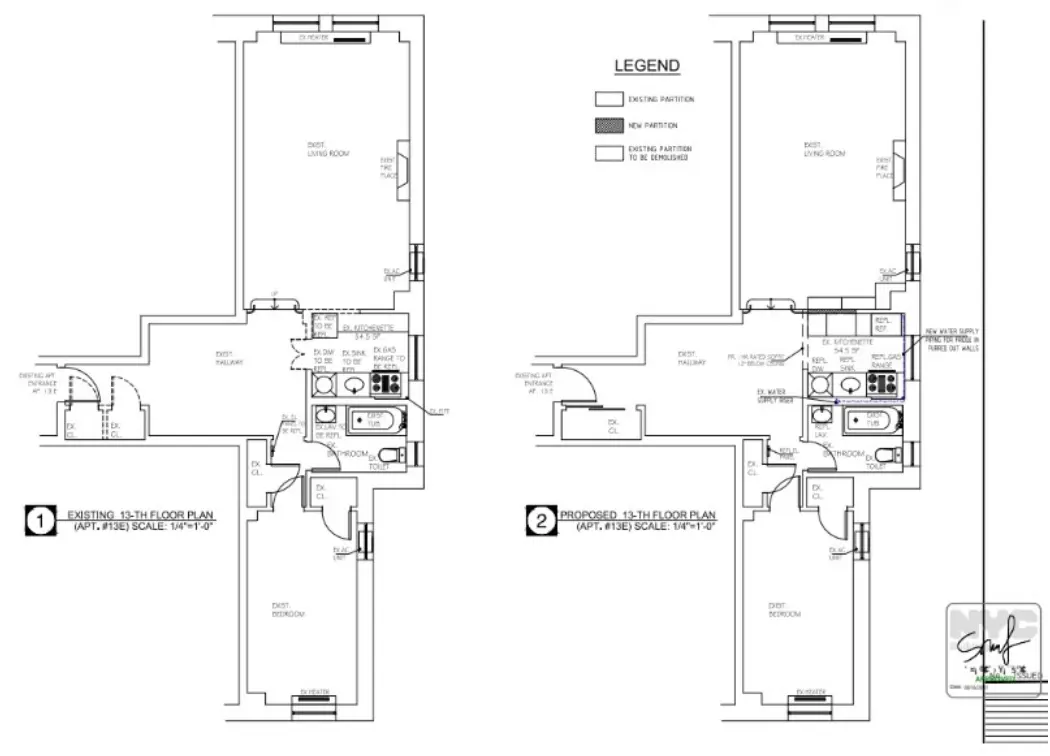
At the same time, it is wise to involve an interior designer early rather than at the end. When interior design is developed in parallel with architecture, you can:
• Align the layout with how you actually live, host, and work at home
• Plan lighting, storage, and custom millwork from the outset
• Select premium finishes and fixtures early enough to support accurate pricing and realistic lead times
An early, integrated design point of view avoids the common trap of finalizing a layout first and then trying to “fit” a luxury-grade interior into it later. When architecture and interiors are conceived together, you see the space planning, materiality, and overall ambiance as a single, cohesive vision.
Approvals, Permits, and the Role of the Expeditor
In Manhattan, expediting is a specialized discipline for good reason. The DOB has distinct filing paths for apartments, condos, and townhomes. Co-op and condo boards follow their own review cycles, and many buildings involve in-house engineers or architects who review proposals.
An expeditor typically coordinates:
• DOB filings, applications, and required forms
• Permits and, where allowed, after-hours variances
• Status checks, resubmissions, and renewals to keep approvals moving

The optimal time to involve an expeditor is once your architectural plans have a clear direction but before they are completely locked. This allows filing strategy, documentation, and any code questions to be addressed in parallel with final design refinement.
When approvals are not handled proactively, projects can stall due to:
• Rejected filings that require rework
• Missing or outdated documentation
• Unexpected review comments that delay your target construction start
When expediting is fully integrated with design and engineering within one coordinated team, many of these challenges are resolved long before your plans reach the DOB portal. The result is a more predictable, low-stress path to permits and board sign-off.
Engineer and GC Timing for a Smooth Construction Phase
Not every Manhattan renovation requires intensive engineering, but many do, particularly when you plan to:
• Reconfigure kitchens, baths, and other wet areas
• Renovate across multiple floors in a townhome
The engineer should be engaged during design development, not after drawings are finished. Their input confirms structural and mechanical feasibility and helps prevent late-stage revisions that can slow approvals or lead to change orders once construction begins.
Your general contractor should also be part of the process earlier than many homeowners expect. When the GC is at the table as designs are refined, they can:
• Flag constructability issues before they appear on site
• Provide realistic duration and sequencing for the work
Manhattan buildings often have tight hallways, strict noise rules, and shared systems. A GC experienced with these conditions helps maintain efficiency, protects common areas, and keeps the project respectful of neighbors, while staying fully aligned with your architect and designer.
Choosing One Integrated Team for Your Manhattan Renovation https://srny.nyc/manhattan-design-build-firm
There are two ways to approach building your Manhattan renovation team — and they lead to very different experiences.
Path 1: The Traditional Approach (You Manage the Team)
• Hire an independent architect
• Retain a separate expeditor
• Bid plans out to multiple general contractors
• Engage an interior designer somewhere in the middle or at the end
This model can work, but it comes with a hidden cost: the homeowner becomes the project manager. You’re the one chasing updates, bridging gaps in communication, and making sure the architect, contractor, and designer are actually on the same page.
Path 2: The Integrated Approach — How Star Renovations NY Works
At Star Renovations NY, we function as a single, fully integrated design-build firm. That means architecture, interior design, expediting, engineering, and construction are all coordinated under one roof — managed by one team with one shared goal: your finished home. For Manhattan homeowners, this is not just a convenience. It’s a fundamentally better way to renovate.
• One team from initial design conversation through final punch list
• One cohesive design and construction vision
• One clear line of communication and accountability
• One group — Star Renovations NY — responsible for both the big picture and the smallest details
For Manhattan homeowners planning substantial renovations or full-home transformations, early summer is an ideal moment to begin conversations with an integrated team. Boards, management, and the DOB move at their own pace, and premium materials, custom cabinetry, and specialty finishes can take time to arrive.
By engaging a single, full-service renovation partner early — like Star Renovations NY — you allow design, approvals, and procurement to move forward in a steady, well-orchestrated way. The result is a renovation that feels calm and purposeful rather than reactive and stressful, with expert management, meticulous craftsmanship, and a clear, guided experience from the first meeting through the final walkthrough.
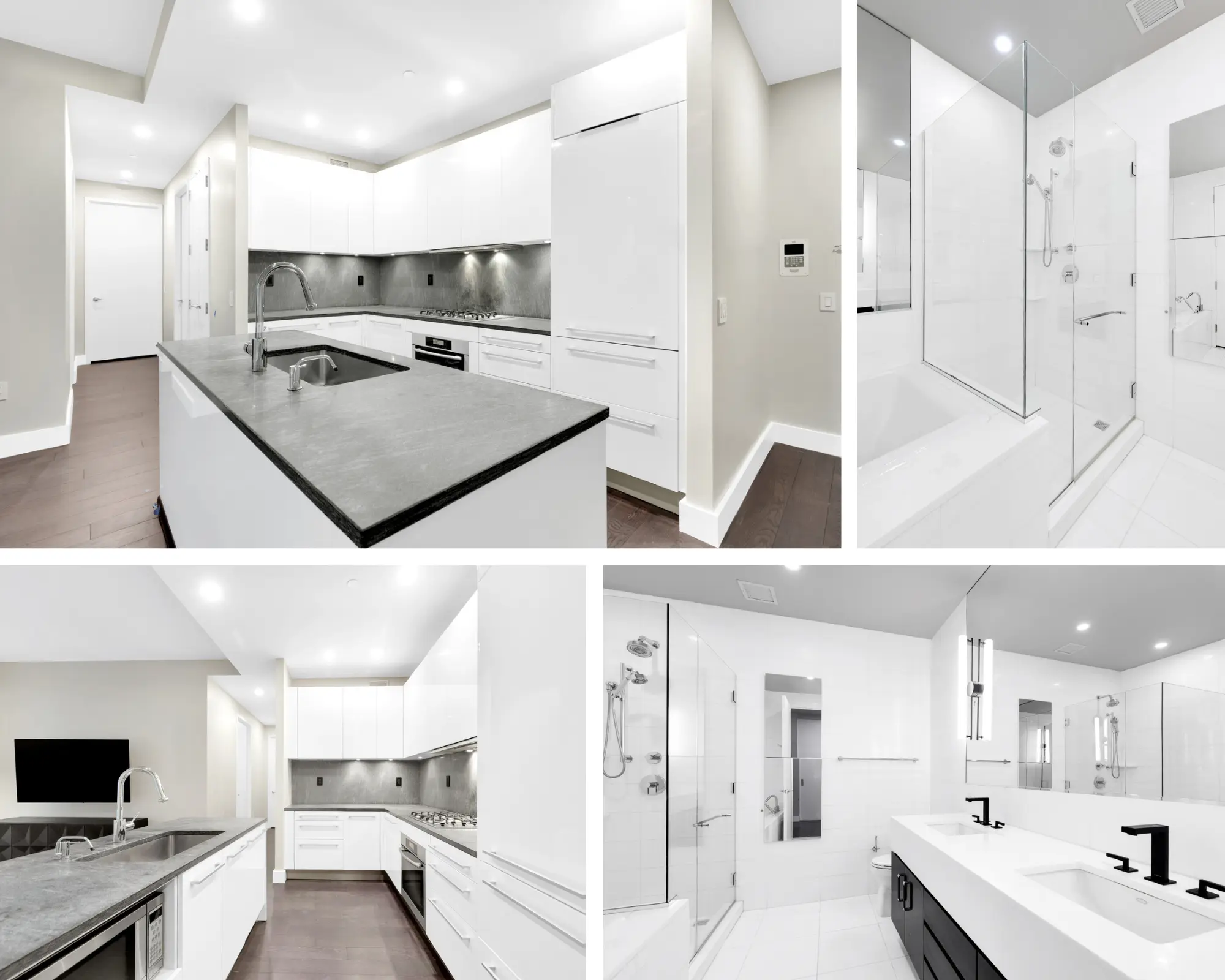
Ready to see what a fully managed renovation could look like for your Manhattan home?
Schedule a complimentary design consultation with the team at Star Renovations NY. In a single conversation, we can help you clarify scope, understand the approval timeline, and walk away with a clear, realistic roadmap — no pressure, no jargon.
Your Manhattan Renovation Starts Here — Let Star Renovations NY Handle the Rest
Building a Manhattan renovation team from scratch is entirely possible — but it takes time, experience, and a lot of coordination. If you’d rather spend that energy focused on your vision instead of logistics, we’re here to take it off your plate. Our team at Star Renovations NY manages architecture, interior design, expediting, engineering, and construction as one seamless process. As a premier NYC full-service renovation company, we keep your project on time, on budget, and in line with your vision — from first sketch to final walkthrough. Take a look at our completed projects, then tell us about your apartment, condo, or townhome — and we’ll put together a tailored plan built around your goals. Get in touch with us today to start planning your Manhattan renovation with Star Renovations NY.