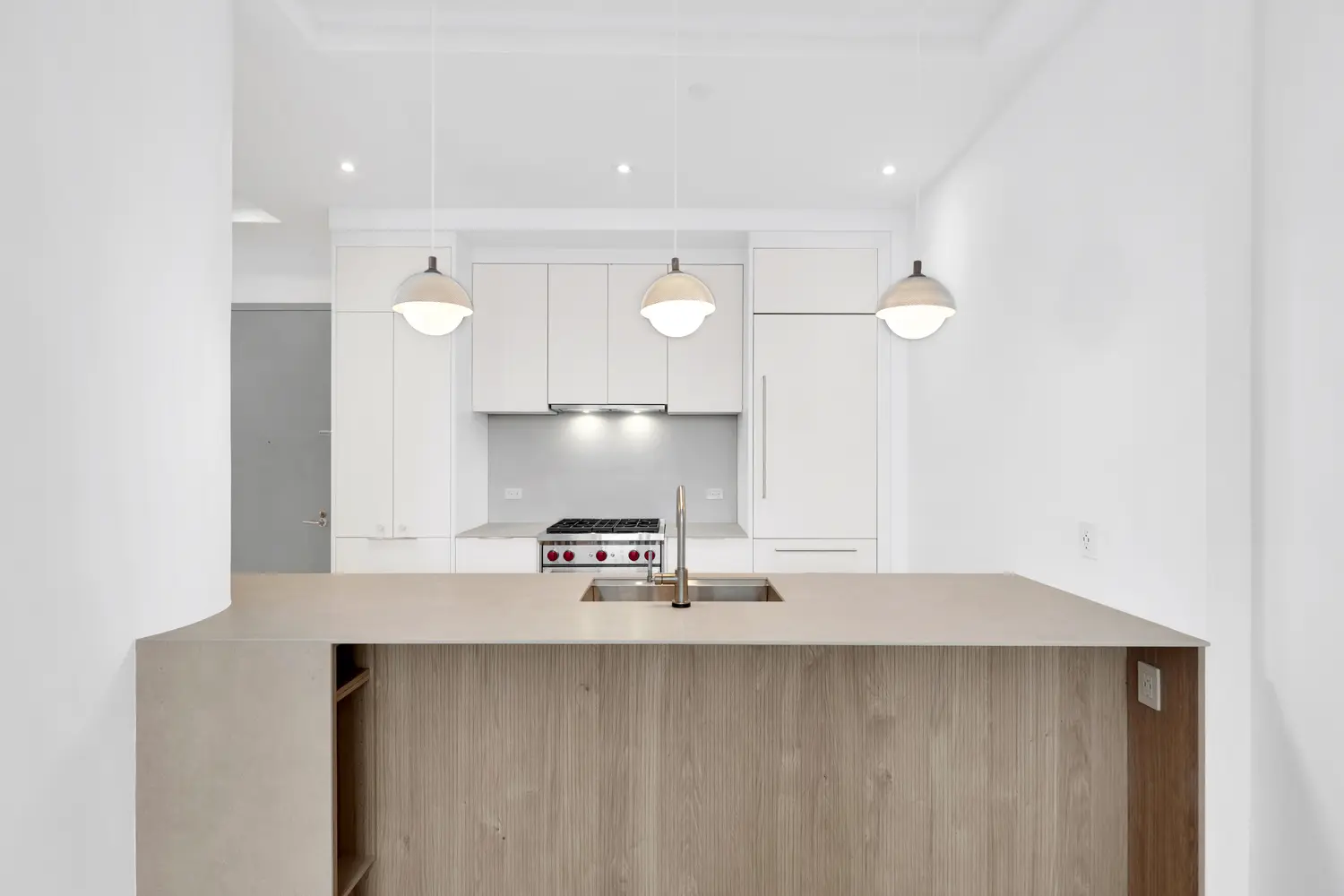
Choose The Best NYC Renovation Delivery Method

Choose The Best NYC Renovation Delivery Method
Which Path Is Right for Your Manhattan Renovation?
Renovating a Manhattan apartment involves far more than choosing the right tile or cabinet finish. Before a single wall comes down, you face a fundamental decision: who is actually going to run this project? That choice — between doing it yourself, hiring an architect and a separate general contractor, or partnering with a full-service design-build firm — will shape everything: your timeline, your budget, your board relationship, and your sanity.
At Star Renovations NY, we have seen all three delivery models play out in Manhattan co-ops, condos, and townhomes. We know firsthand what works, what creates chaos, and what sends owners back to square one. This guide lays it all out honestly, so you can make the decision that actually fits your home, your building, and your life.

Why the Delivery Model Matters More Than Most Owners Realize
In most cities, picking a contractor is fairly straightforward. In Manhattan, it is a strategic decision. Your building type — co-op, condo, or townhome — comes with its own set of rules, approval processes, and expectations. Layer on Department of Buildings filings, potential Landmarks Preservation Commission review, aging building infrastructure, and strict work-hour policies, and the margin for error shrinks fast.
The risk drivers that most owners underestimate include:
- Building-specific house rules around work hours, noise restrictions, and insurance requirements
- Co-op or condo board alteration agreements that require stamped drawings, licensed trades, and performance bonds
- Wet-over-dry restrictions that govern where bathrooms and kitchens can be relocated
- Aging plumbing stacks and electrical panels that require upgrades before new work can be permitted
- Landmarked district requirements that add LPC approval steps before any exterior or visible interior changes
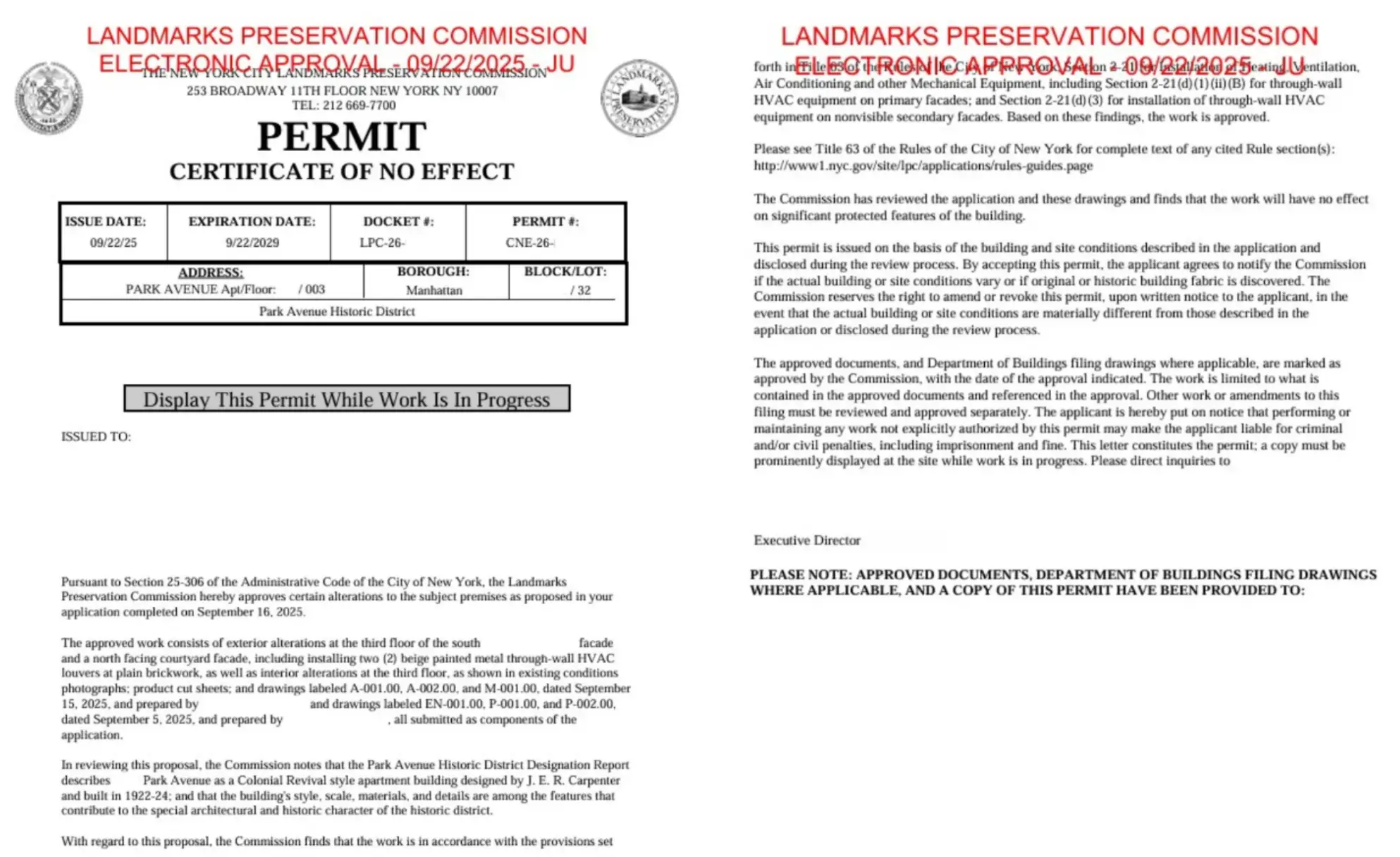
Every one of these risk factors intersects with your delivery model. The question is not just who builds the work — it is who owns the coordination, the approvals, and the accountability when things get complicated.
Option 1: DIY — The Appeal vs. The Reality in Manhattan
Let’s be honest: DIY sounds appealing until you actually try it in a Manhattan apartment building. The reality is that most buildings have rules that effectively limit what an unlicensed owner can do themselves, and the risk to your finishes, your neighbors, and your resale value is real.
DIY may be genuinely reasonable for:
- Painting walls and ceilings in non-regulated spaces
- Hanging artwork, window treatments, or soft furnishings
- Swapping light fixtures on existing circuits (with proper permits where required)
- Furniture, rugs, and decor that require no trades
But even these seemingly simple tasks can run into building rules. Many Manhattan co-ops require licensed and insured contractors for almost any trade work and demand proof of insurance before work begins. Management offices and super’s approvals can be required even for minor projects.
Where DIY consistently fails Manhattan owners:
- Kitchen and bathroom work involving plumbing, electrical, or waterproofing
- Any work requiring DOB permits, which almost all structural, plumbing, and electrical projects do
- Projects in landmarked buildings, where even cosmetic changes may require review
- Combination apartments or layout changes that affect shared building systems
The deeper issue is that mistakes in Manhattan apartments are expensive to fix and can cascade. A small plumbing error can flood your downstairs neighbor. A non-permitted electrical change can trigger a stop-work order during a full gut renovation. If you are investing in a high-end Manhattan home, the savings from DIY rarely outweigh the risk. Our blog post DIY vs. Pro NYC Apartment Renovation goes deeper on this tradeoff if you want a full breakdown.
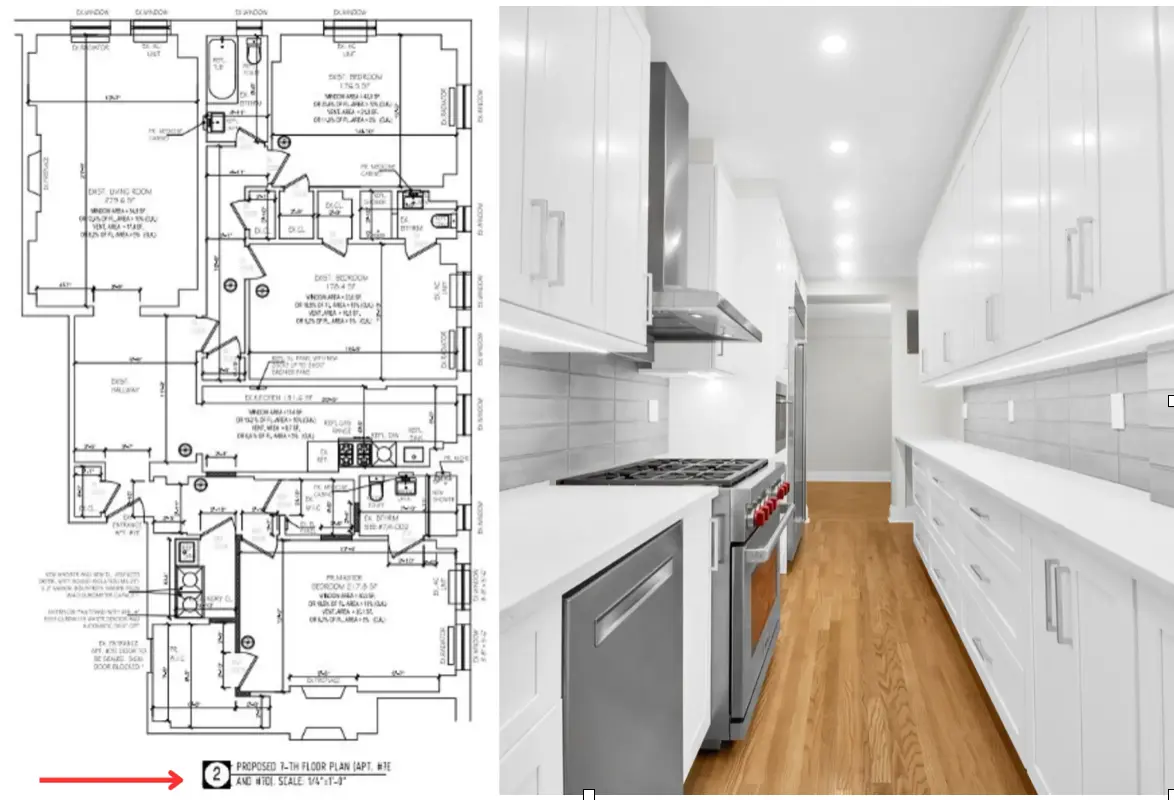
Option 2: Architect + General Contractor — Pros, Gaps, and Hidden Friction
The traditional path for Manhattan apartment owners is to hire an architect, develop drawings and permit sets, bid the project out to general contractors, and then manage both relationships through construction. When everyone involved has deep NYC experience, this can produce excellent results.
The structure works like this:
- You hire an architect to lead design, develop construction drawings, and file permits
- You solicit bids from multiple general contractors based on the completed drawings
- You sign separate contracts with the architect and GC, and you manage coordination between them
- You act as the de facto project manager when field conditions, scope gaps, or design changes arise
The genuine strengths of this model include creative design leadership, multiple competitive bids, and clear separation between design intent and construction execution. For some projects and some owners, this structure is exactly right.
But the gaps are real, and they show up predictably:
- Design decisions are made without real-time construction cost input, which means the bid stage often produces sticker shock and forces redesign
- Scope gaps between the drawings and what the contractor actually priced are extremely common and become change orders
- When something goes wrong in the field, accountability is blurry — the architect points to the contractor, the contractor points to the drawings
- You become the communication bridge between two teams with different priorities, vocabularies, and schedules
- Board approval packages and DOB filings can get fragmented between the two teams — see our guide to the NYC renovation approval package to understand what’s actually required
For owners who have experience managing complex projects, enjoy being hands-on, and have significant time to devote to coordination, architect + GC can be workable. But for owners who want a single point of accountability — one team, one contract, one person who is responsible for the whole outcome — the split structure introduces friction that compounds as the project scales up. Our post on full-service renovations vs. traditional NYC remodels explores this contrast in more detail.
Option 3: Design-Build — One Team, One Vision, One Point of Accountability
The design-build model resolves the coordination problem that makes architect + GC so stressful. At Star Renovations NY, interior design, architecture, permitting, and construction live under one roof, managed by one integrated team working under a single contract.
What this actually looks like in practice:
- Design and construction planning happen simultaneously — cost and feasibility are tested during design, not after demolition
- The same team that draws your space builds it, so field conditions and design intent stay aligned
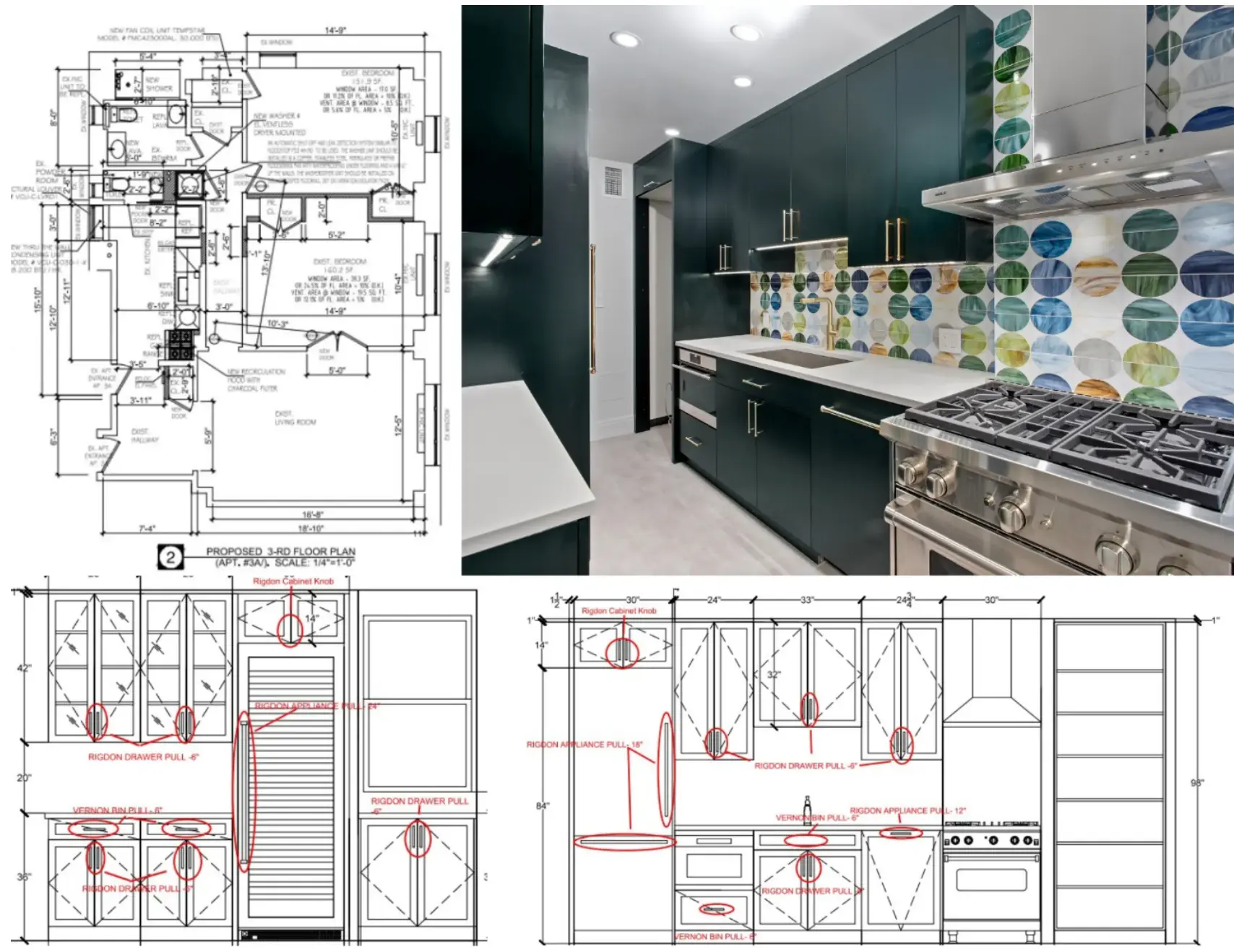
- We handle DOB filings, board packages, landmark submissions, and inspection scheduling on your behalf
- You have one core contact who owns every aspect of the project outcome
- Schedules, deliveries, elevator bookings, hallway protection, and neighbor impact are coordinated proactively, not reactively
For Manhattan apartment owners — especially in co-ops and condos where board approval processes can add months to a project if mishandled — the design-build model is not just more convenient. It is a fundamentally better risk management strategy.
The benefits our clients consistently describe:
- Fewer change orders, because cost and constructability are reviewed in real time during design
- Faster approvals, because our team knows what co-op boards and the DOB need to see, and prepares packages accordingly
- A truly white-glove experience, with clear, consistent communication and planned milestone reviews throughout
- A finished product that matches the design intent — because the people who designed it also built it
- No drama at move-in — no lingering punch lists, no unresolved contractor disputes, no owner-managed warranty calls
We have written extensively about why design-build makes sense for NYC renovations, and our portfolio shows the results across kitchens, bathrooms, full gut renovations, and apartment combinations.
Client Testimonial:
“When I hired Star, I got the impression that Eli would be willing to go the extra mile to make the job progress seamlessly and they would take the time to do the work right. Not only did they help design and built a top quality kitchen, and bathrooms but they completed the job extremely fast. I hired Star shortly before the NYC shutdown halted construction work for two months and had to go through the entire design process digitally using photos and the guidance of Michelle. Without being able to see samples for cabinets, tiles etc. in person, I deferred to her and Eli's guidance many times during the design process and I'm glad that I did. The design input they provided made a huge impact and Eli had several small suggestions during construction which ultimately made the entire apartment much more livable. They were meticulous about documenting daily activity, maintaining a clean worksite and continually provided photo updates. I'm very happy with the quality of work, design and communication.” -Bryan T. Manhattanville Townhouse Gut Renovation
The Decision Matrix: Matching the Model to Your Project
When thinking through which model fits your situation, three factors matter most: scope, approval complexity, and your personal bandwidth.
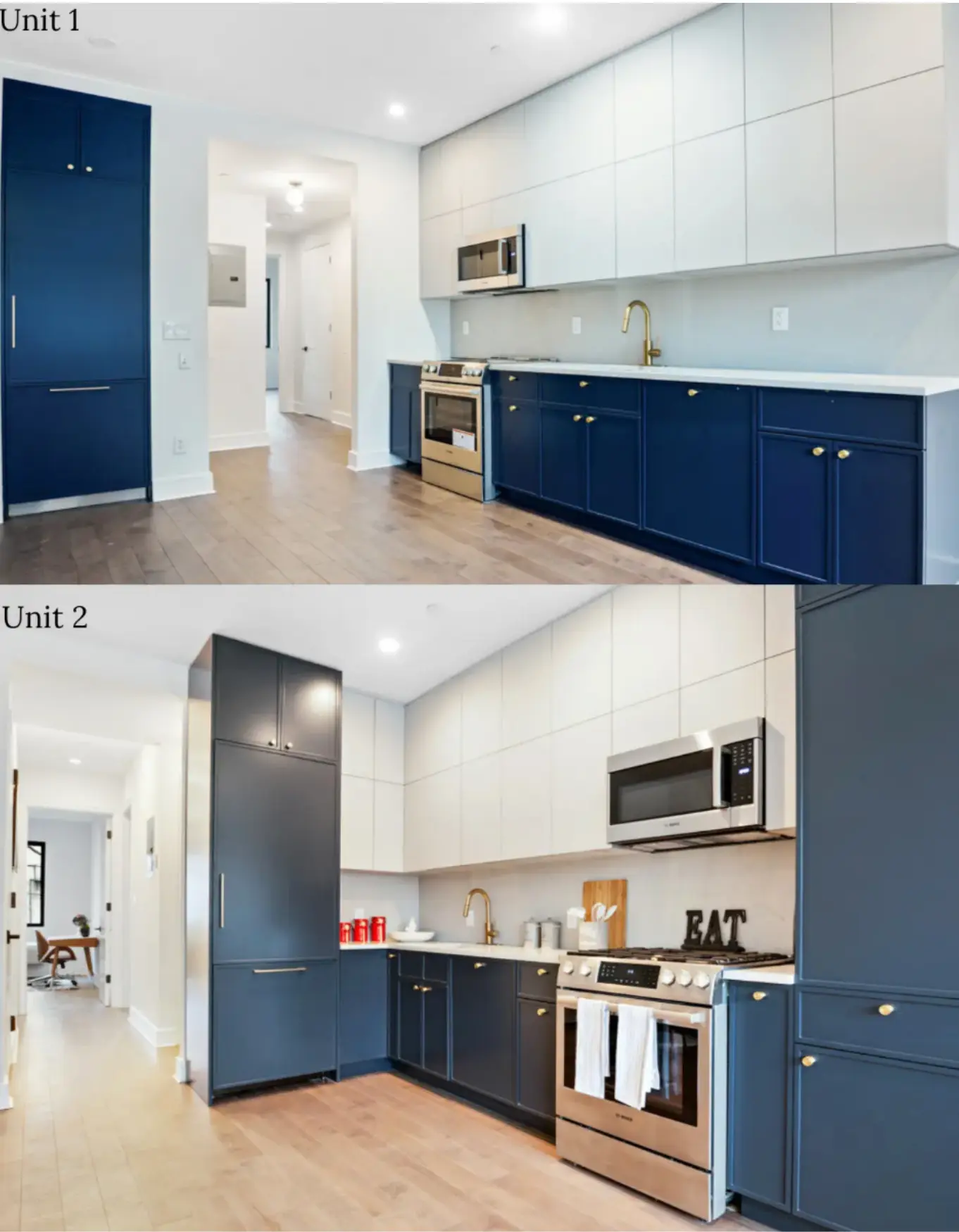
► Light cosmetic updates (paint, fixtures, decor, no layout changes, no permits):
DIY or specialized trades may be appropriate if your building allows it and the work is truly surface-level. Verify your building’s rules before assuming you can self-manage.
► Moderate single-room renovations (one bath, partial kitchen update, limited layout changes):
Architect + GC can work if you have time to manage two relationships and are comfortable bridging coordination gaps. Our Manhattan kitchen renovation guide and bathroom renovation guide outline the full approval and permit landscape for each.
► Complex renovations (full gut, multiple rooms, layout shifts, structural work, strict co-op buildings):
A full-service design-build model consistently delivers better control, fewer surprises, and a superior finished result. See our NYC gut renovation vs. partial renovation guide to understand where the complexity line actually sits.
Also consider seasonal timing. Spring and summer are peak renovation seasons in Manhattan, which tightens approval queues, elevator booking windows, and lead times for custom millwork and specialty materials. A well-organized design-build team can anticipate these bottlenecks and sequence the project to avoid them. Owners who go the architect + GC or DIY route often find themselves competing for these windows without the leverage to plan ahead.
If budget visibility is a concern, our 2026 NYC apartment renovation cost guide provides a realistic framework for what different scopes actually cost in today’s market.