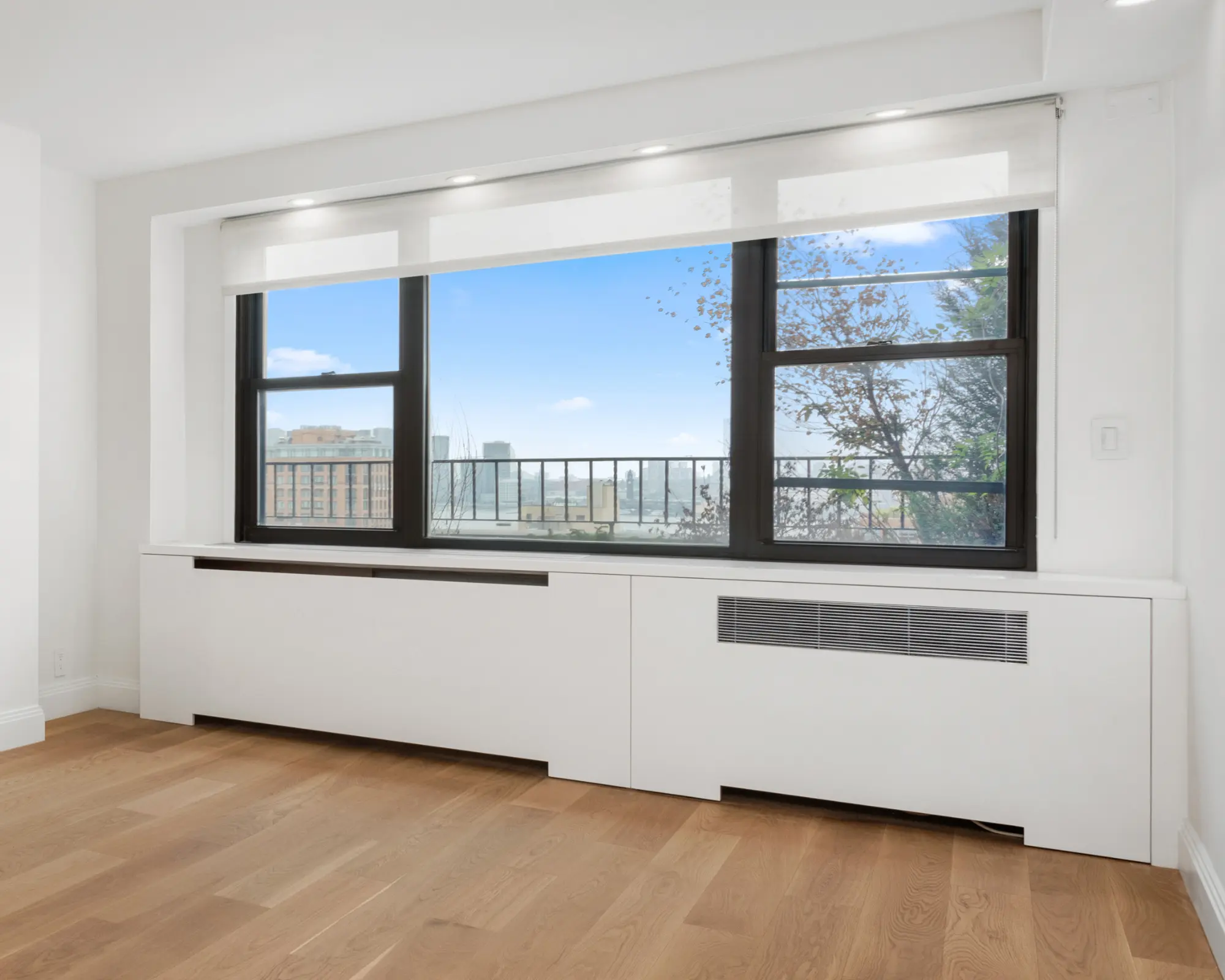
Central HVAC vs Window AC for NYC Luxury Living

Central HVAC vs Window AC for NYC Luxury Living
If you’ve ever stood in a showroom getting pitched five different cooling systems, each one promising to be “the one,” you know exactly how confusing this part of a renovation can get. We hear it from clients constantly: nobody warned them how much the cooling system would shape the rest of their design.
At Star Renovations NY, we’re a Brooklyn-based design-build firm serving luxury apartment, co-op, condo, and brownstone renovations across Manhattan and Brooklyn, which means our architects, engineers, and construction team are thinking through your HVAC question on day one, not bolting it on after the drawings are already done. That’s the difference between a cooling system that disappears into your ceiling and one that fights with your layout for the next ten years.
This guide walks through the central air options you’ll actually run into in New York City buildings, where each one tends to work best, and how we build cooling into our apartment renovation planning and home renovation planning from the very first meeting. If you want a deeper technical dive into building approvals and infrastructure for every system type, our HVAC solutions guide for NYC apartments is a great companion read.

Central HVAC vs Window AC: Comparing All Your Cooling Options
New York throws a lot of variables at a cooling system: building age, ceiling heights, riser capacity, co-op board rules, and whether you’re in a high-rise condo, a prewar co-op, or a Brooklyn brownstone. Here’s an honest pro-and-con look at where each option stands, with central HVAC and window AC as the two ends of the spectrum, and PTAC and mini-splits as the middle ground worth knowing about.
1. Central Ducted HVAC — The Luxury Standard
This is the full system: a central air handler, ductwork run through ceilings or soffits, and vents that distribute conditioned air room by room.
Pros:
- Even, whisper-quiet temperatures from room to room
- No visible equipment in windows or on walls
- Strong resale appeal for buyers expecting a move-in-ready luxury home
- Pairs naturally with smart thermostats and zoning
Cons:
- Needs ceiling height for ductwork, which can be tight in prewar buildings
- Highest upfront cost and the longest lead time for approvals
- Requires coordinated engineering across electrical, structural, and mechanical trades

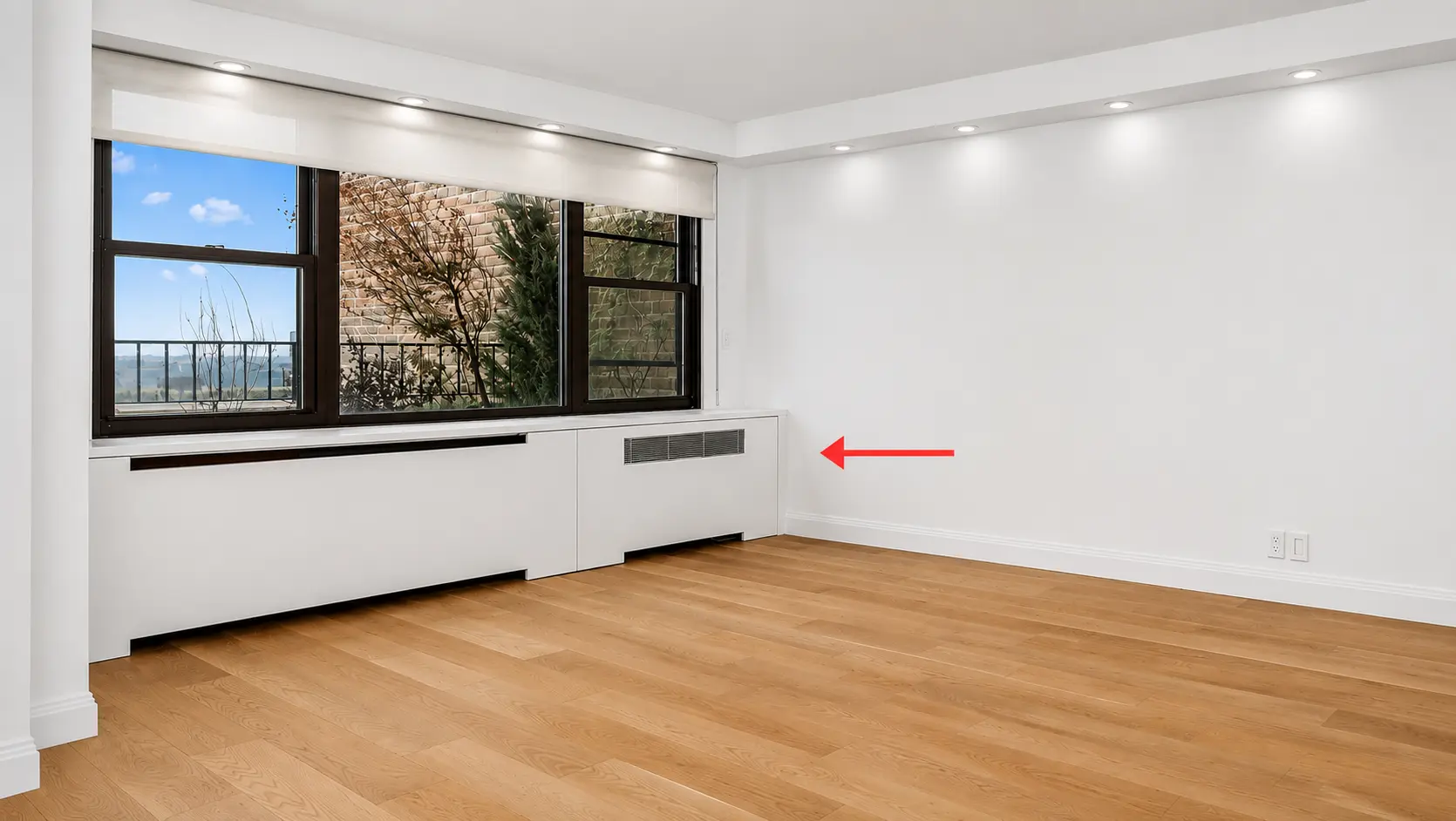
2. PTAC Units (Packaged Terminal Air Conditioners) — The Common Middle Ground
PTACs are the through-wall units you’ll see under windows in countless NYC high-rises and rental buildings. Many co-ops and condos already have PTAC sleeves built into the building’s original construction.
Pros:
- Often the path of least resistance in buildings already wired for them
- Each room gets independent heating and cooling control
- Lower equipment cost than a full ducted system
- Straightforward swap when replacing an aging unit in an existing sleeve
Cons:
- Can be noisier than ducted systems or modern ductless equipment
- Limited design flexibility since the unit sits in a fixed wall location
- Older PTAC sleeves sometimes have drafts or insulation issues that need attention during a renovation
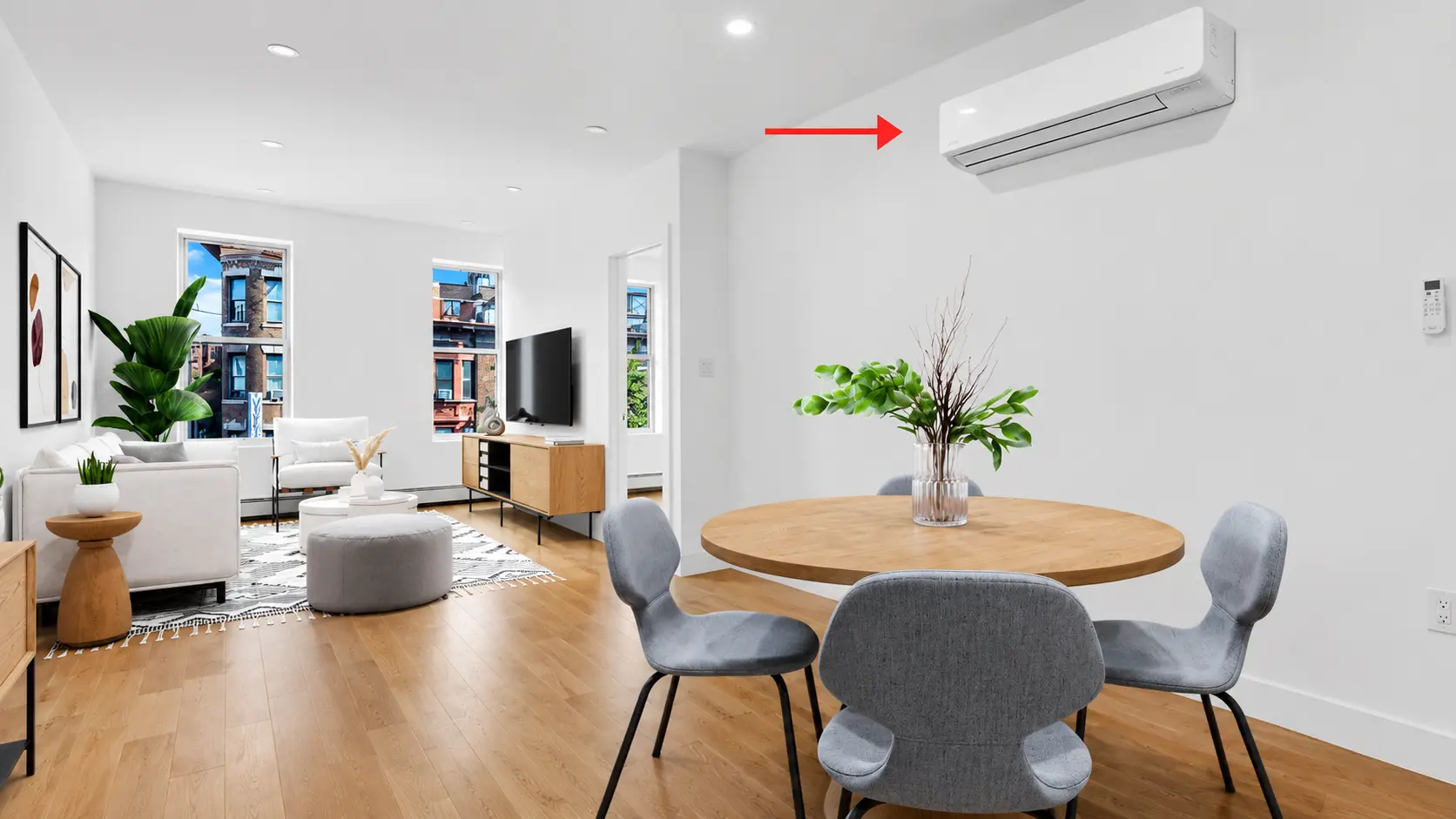
3. Ductless Mini-Split Systems — The Ductwork-Free Alternative
Mini-splits use a small outdoor condenser connected to one or more slim indoor units, with no ductwork required. They’ve become a favorite for NYC apartments and brownstones where running full ducts isn’t realistic.
Pros:
- Room-by-room zoning without tearing into ceilings
- Compact indoor units that read as far less intrusive than a window AC
- Strong efficiency, which tends to mean lower energy bills
- Often the best fit for brownstone gut renovations where floor-by-floor zoning matters and ceiling height is precious
Cons:
- Indoor units are still visible on a wall or ceiling, even if discreet
- Needs a viable spot for the outdoor condenser, which can be a real constraint in dense blocks
- Multiple zones add up in cost compared to a single central system
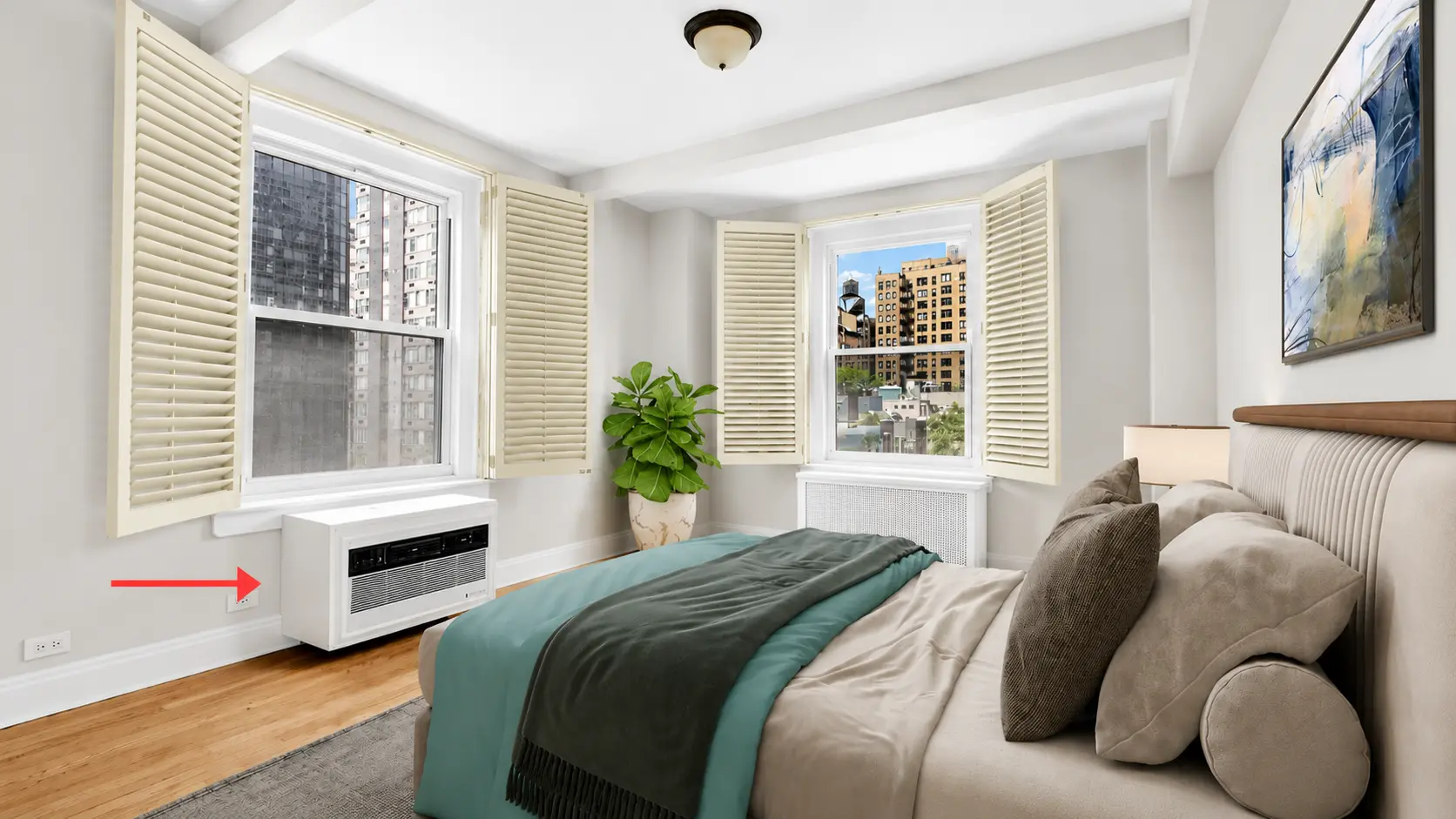
4. Window AC Units — The Familiar Standby
Still worth mentioning because plenty of clients start a conversation here before deciding what they actually want for a full renovation.
Pros:
- Lowest upfront cost and fastest to install
- No major construction required
- Already accepted by many buildings with an established look for window units
Cons:
- Blocks windows, light, and furniture placement
- Seasonal installation and removal is a hassle, and storage becomes its own project
- Generally the noisiest, least efficient option, with the least resale appeal in a luxury renovation
The Verdict: Why Central HVAC Wins in Today’s Luxury Market
We walk through all four systems above because every NYC building is different, and an honest pros-and-cons comparison matters more than a sales pitch. But if you ask us point blank what today’s luxury buyers and renters actually expect, the answer is increasingly clear: central HVAC.
Why HVAC keeps winning out:
- Buyer expectations have shifted. A visible window unit or PTAC sleeve now reads as dated in a high-end listing, while quiet, ductless-from-view comfort reads as move-in-ready luxury.
- Design freedom. No unit blocking a window means full natural light, uninterrupted drapery lines, and furniture placement that isn’t dictated by a box in the wall.
- Even comfort supports how people actually live now. Work-from-home schedules need consistent temperatures and low noise across every room, not just the one with a unit in it.
- Resale and rental performance. Appraisers, brokers, and buyers increasingly treat central HVAC as a baseline expectation in a luxury renovation, not a bonus.
- Long-term value. PTAC and window units cost less upfront but carry replacement cycles, higher energy bills, and a ceiling on perceived value that a well-integrated HVAC system doesn’t have.
PTAC units and ductless mini-splits still have a real place, especially where ceiling height or building infrastructure rules out full ductwork. But when the building and budget allow it, central HVAC is the system most aligned with where the NYC luxury market is heading, and it’s the system we recommend first whenever a project can support it.
How Star Renovations NY Builds Cooling Into Every Renovation
Cooling strategy isn’t a line item we tack onto the budget near the end. As a design-build firm, we fold it into apartment renovation planning and home renovation planning from the first walkthrough, because the system you choose affects ceiling heights, soffits, electrical capacity, and even where your custom millwork can go.
Here’s roughly how it plays out on a real project:
Walkthrough and building research
Before we draw a single line, we look at your building’s mechanical infrastructure, riser capacity, and board rules. A prewar co-op on the Upper West Side and a modern Brooklyn condo are starting from completely different positions
Read our guide to apartment renovations in NYC
Matching the system to the space
Open-plan living areas with generous ceiling height are often great candidates for ducted central HVAC, like the approach we took on this Madison Brownstone Gut Renovation, where the mechanical plan was coordinated alongside the comment space and and a full kitchen and bath gut.
Railroad layouts, brownstone floors, and rooms with low ceilings tend to favor ductless mini-splits or, where the infrastructure already exists, PTAC replacements Carnegie Hill Co-op Gut Renovation
Coordinating approvals early
Co-op and condo boards want to see how a mechanical change affects risers, electrical load, and the building’s existing systems. Our team manages this alongside the rest of your building alteration agreement process, so cooling decisions don’t stall your timeline the way they can when they’re addressed too late.
Building it into the full gut renovation plan
Whether you’re working through an apartment gut renovation or one of our brownstone gut renovations, your cooling system gets coordinated with electrical, plumbing, and finish carpentry under one schedule, managed by one team, tracked through our BuilderTrend project portal so you can see daily progress without chasing down separate vendors.
Read our latest blog luxury Manhattan renovation guide for homeowners and our piece on custom millwork ideas for NYC renovations, both of which touch on the same kind of whole-home planning that drives a smart HVAC decision.
What This Looks Like on Real Projects
We’ve built central air into all kinds of NYC homes, and the right answer really does change apartment to apartment. We’ve also worked through cooling decisions on prewar co-ops where ceiling height ruled out full ductwork, leading us toward a zoned mini-split approach that kept sightlines clean while still giving every room independent control, an approach you can see reflected in our Carnegie Hill co-op gut renovation and our Madison Brownstone gut renovation in Bedford-Stuyvesant.
Read our latest blog guide to renovating historic NYC homes If you want a broader look at how we approach historic buildings specifically.
You can browse more completed work, including kitchens, baths, and full apartment transformations with integrated mechanical systems, in our project portfolio

What Clients Say About Working With Us
Clients consistently tell us the thing that mattered most wasn’t any single material choice, it was having one accountable team coordinating everything, mechanical systems included.
“We are so glad we chose Star Renovations NY for the renovation of our Upper West Side Apartment. From the beginning Eli and his team were there to help us navigate a difficult board approval, procure all permits, insurance and paperwork, and work with building management to get our plan approved and moving. While we originally had only planned to renovate our kitchen, we felt so confident in Star’s quality of work that we expanded our renovation to include new doors and moulding, overhead lighting, built in cabinetry, new fixtures and finishes, a refresh of our bathroom and refinishing of our floors. The work was completed ahead of schedule and the BuilderTrend app they use kept us up to date on daily progress and payments. The finished product was every bit as beautiful as we had hoped and we had absolutely no complaints from building management or our neighbors which is critical when living in a Co-Op apartment building. We would strongly recommend Eli and Star Renovations NY to anyone doing construction work in NYC!”
— Jason Z., Upper West Side Co-op Renovation
You can read the full versions of these and other client stories on our reviews and testimonials page.