
Buying a Co-Op for Gut Renovation in NYC & Brooklyn
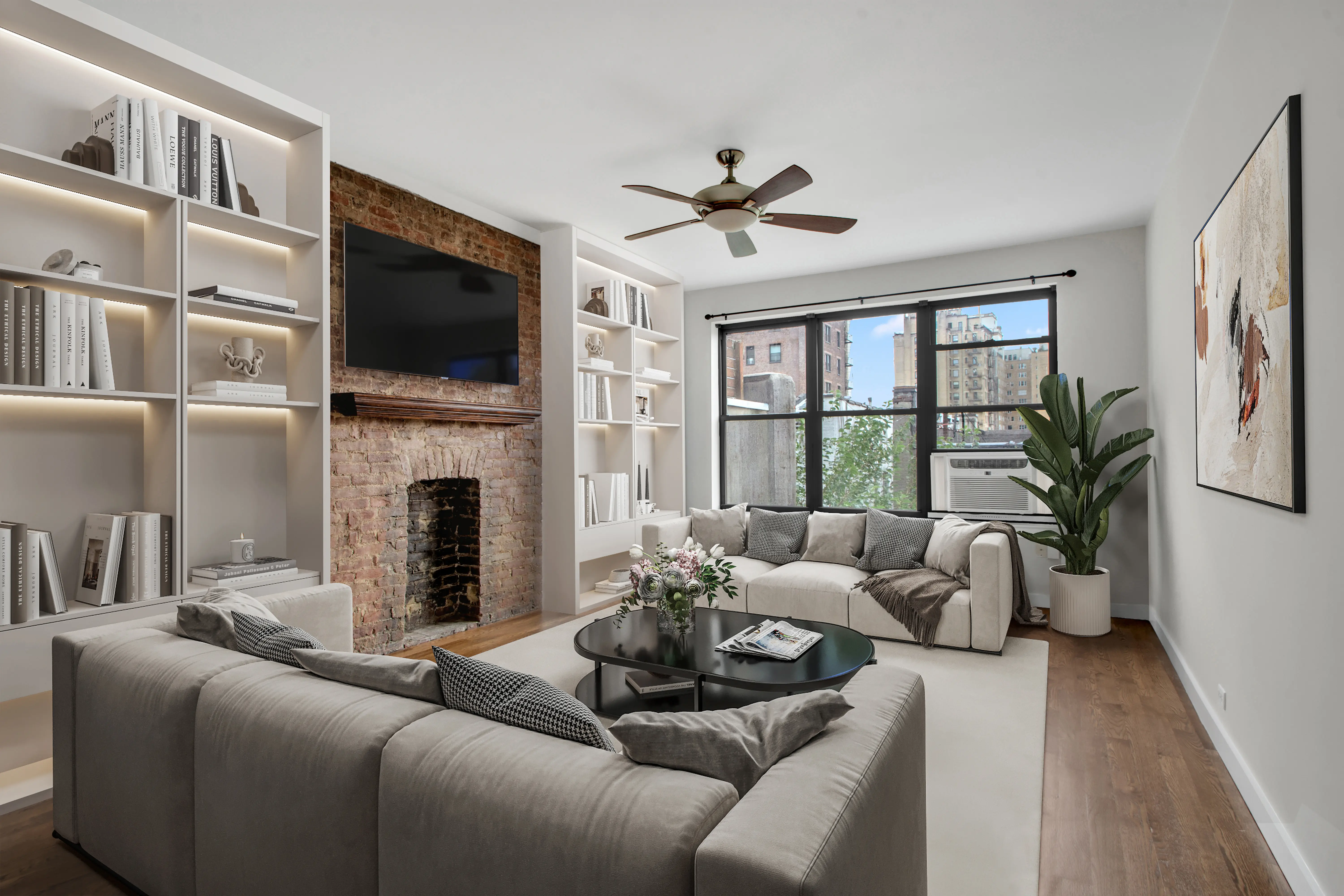
Buying a Co-Op for a Gut Renovation in NYC and Brooklyn: Start Planning Before You Close
A dated co-op in a good Manhattan or Brooklyn building is one of the best starting points for a custom home in New York City. The price often reflects the old kitchen and tired baths, and a full gut lets you rebuild the layout, systems and finishes around how you actually live. The catch is that a co-op is a shared building with its own rules, and those rules decide what you can build and when you can start.
At Star Renovations NY, we manage co-op gut renovations from design and board approval through construction and final punch list. A large share of our clients come to us as buyers, some before they have even made an offer. The advice we give every one of them is the same: the renovation should start during your contract period, not the day you get the keys.
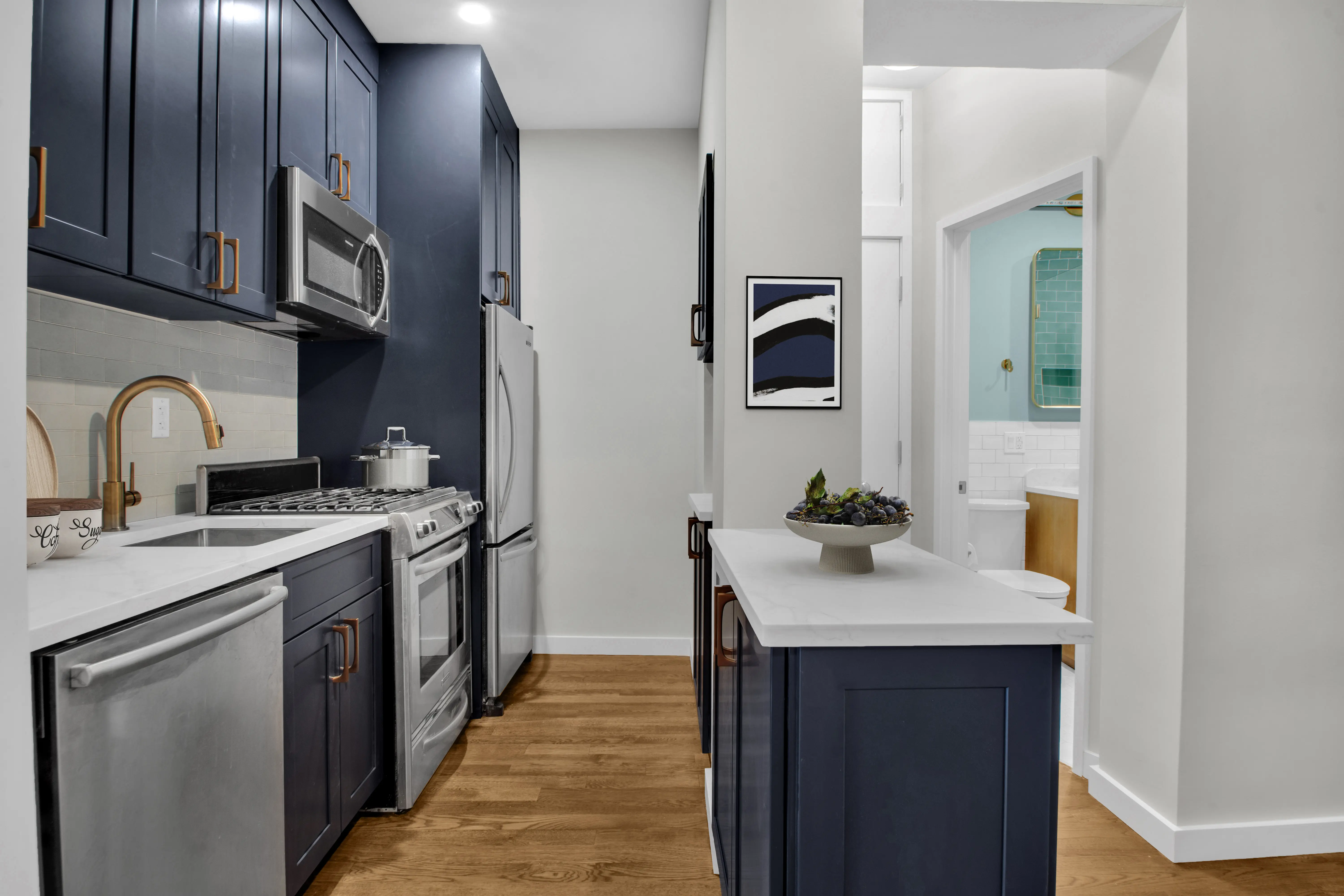

Why New Co-Op Buyers Should Start Planning During Contract, Not at Closing
Most buyers treat closing as the starting line. They sign, get the keys, then begin looking for a designer and a contractor. By the time drawings are finished, the alteration package is assembled and the board has reviewed it, months have gone by, and they have been paying for an apartment they cannot live in.
Those months cost real money. From the day you close, you are carrying monthly maintenance and, if you financed, a mortgage payment. Many buyers are also still paying rent or a mortgage on the home they are leaving, plus storage and sometimes short-term housing. Every week spent on paperwork after closing is a week of carrying costs with no construction happening.
The contract-to-close window in a New York co-op sale often runs two to three months once you account for financing, the board package and the board interview. That time is valuable. Used well, it lets you walk into closing with a finished design, a defined scope, a realistic budget and an alteration submission ready to go the moment you become a shareholder.
The contract-to-close window is the most valuable planning time you have.
Many co-ops will not accept an alteration application until you officially own the shares, so the submission itself usually waits for closing. Everything that feeds it does not have to wait. Design, surveys, engineering, scope, pricing and material selections can all happen during contract, which means your package goes to the managing agent within days of closing rather than months after it.
How We Use the Contract Period for Co-Op Buyers
When a buyer brings us in during contract, we work through a sequence built around one goal: shortening the time between closing and the first day of construction. With the seller's permission for access, a typical plan looks like this:
- Pre-purchase walkthrough. We walk the apartment with you and look at it the way a builder does: plumbing stack locations, ceiling heights, electrical service, window condition, signs of water damage and walls that may be structural or hide risers. This tells you early whether the layout you want is realistic.
- Building document review. We ask your broker or attorney for the proprietary lease, house rules and the alteration agreement, then review them for wet-over-dry limits, summer work rules, insurance minimums, deposits and required professionals.
- Measured survey and schematic design. Our design team measures the space and develops a layout that fits both your goals and the building's rules, so the board sees a plan it can approve instead of one that needs revisions.
- Scope and pricing. We define the full scope and build a transparent budget, so you know the renovation number while you still have time to plan your financing around it.
- Engineering and filing preparation. We coordinate architectural and engineering drawings and prepare what is needed for NYC Department of Buildings filings, along with the building's own submission package.
- Early material selections. Cabinetry, stone, tile and plumbing fixtures often carry long lead times. Selecting them early protects the schedule later, which we cover in our guide to Manhattan kitchen remodel lead times and backorders.

The result is a complete renovation approval package that can go to the managing agent right after closing. Buyers who plan this way avoid the stretch of empty months that catches so many new owners off guard, which we also describe in our homebuyer's reality check.
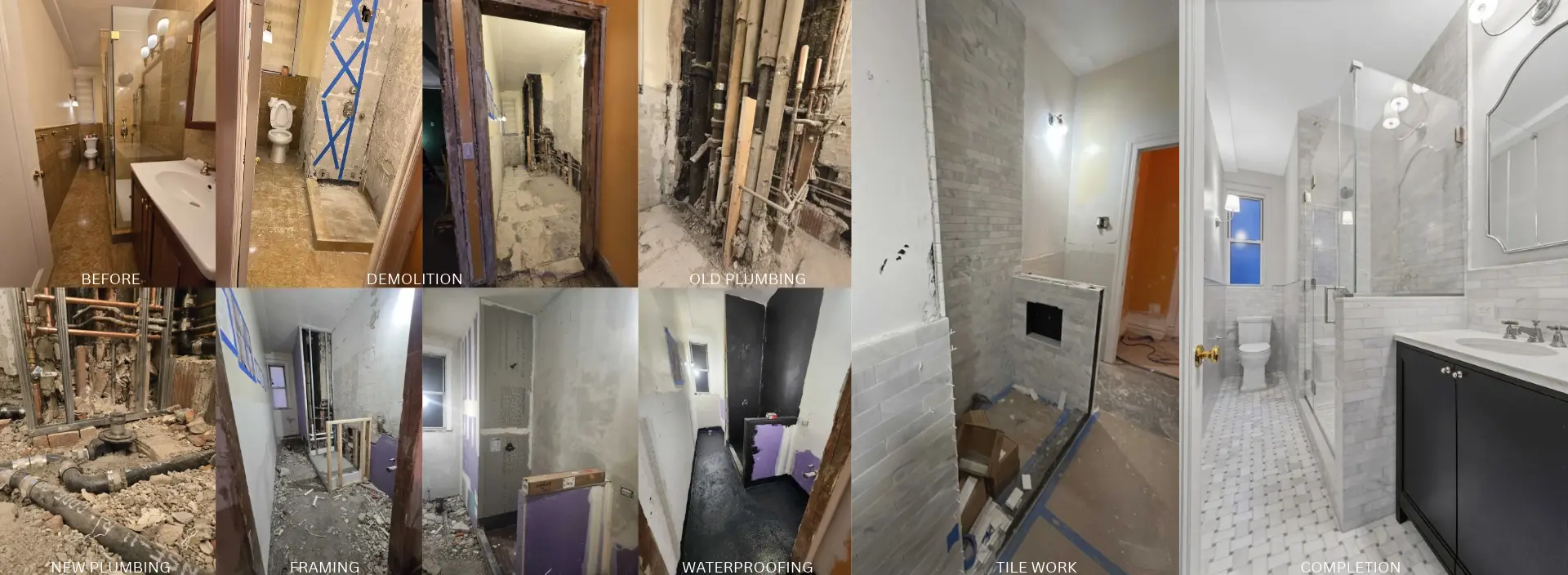
Bud R. hired us for a master bathroom gut remodel and a new laundry closet in his co-op. What stood out to him was that we carried every approval on his behalf, from architectural plans through the co-op board, the managing agent and the NYC DOB, so he never had to chase paperwork himself.
Bud R., Co-Op Bathroom Gut Renovation · Read our client reviews
Board Rules and the Alteration Agreement Decide What You Can Build
Every co-op in Manhattan and Brooklyn has its own rules, and they can shape almost every part of a gut renovation. The alteration agreement is the contract between you and the board. It sets the scope the board will accept, the professionals you must use, the insurance and deposits required and how long you have to finish. Brick Underground has a clear primer on how to read an alteration agreement, and Habitat Magazine outlines five things to do before signing one.
The items we check first for buyers include:
- Wet-over-dry rules that limit moving kitchens or bathrooms over a neighbor's living space
- Limits on moving walls, relocating gas lines or tying into different plumbing risers
- Electrical capacity and whether the building allows service upgrades or a washer and dryer
- Summer work rules, construction hours and freight elevator reservation policies
- Insurance minimums, security deposits and requirements for protecting hallways and common areas
- Whether the board requires its own architect or engineer to review your plans, and who pays for it
Pre-war buildings on the Upper West Side, Upper East Side and in Carnegie Hill often have stricter rules around plumbing and structure than newer buildings. Brooklyn co-ops in Brooklyn Heights, Park Slope and Cobble Hill vary widely from building to building, especially in smaller self-managed co-ops. If you are still weighing the two ownership types, our comparison of co-op vs. condo renovation in NYC explains how approvals differ.
Co-Op Board Approval Timelines and Where Delays Come From
A full gut renovation in a New York City co-op usually moves through several layers of review. The managing agent checks the package for completeness. The building's architect or engineer reviews the drawings. The board or its alterations committee signs off. Work that requires permits is filed with the NYC Department of Buildings, which has its own review process.
Most delays come from incomplete submissions, missing insurance certificates, drawings the building's reviewer sends back with comments, or a board that only meets once a month. Fall closings need extra attention, because holiday schedules slow down managing agents and boards, and some buildings restrict certain work at specific times of year. Our co-op and condo renovation timeline guide breaks down each stage.
We manage this process directly. We assemble the package, send it to the managing agent, respond to the building reviewer's comments, coordinate contractor insurance certificates naming the board and managing agent, and keep the file moving until approval is in hand. Our contractor approval checklist shows what buildings typically require from the renovation team.
Jason Z. bought on the Upper West Side and faced a difficult board approval. He told us that from the start our team guided him through it and handled every permit, insurance certificate and piece of paperwork the building asked for.
Jason Z., Upper West Side Co-Op · Read our client reviews
Arizona K. described her building's renovation application as intimidating and exhaustive, with a management company and board that were very hard to satisfy. Our team handled that communication for her and saw the West Village studio gut renovation through from approval to finish.
Arizona K., West Village Studio Gut Renovation · Read our client reviews
Hidden Conditions in Pre-War and Post-War Co-Ops
Older NYC apartments hide a lot behind their finishes. Once demolition begins, a gut renovation often uncovers galvanized or cast iron plumbing, undersized or outdated wiring, uneven subfloors, water damage around windows and earlier work that was never done to code. In pre-war apartments, plaster walls, old radiators and irregular framing add more to account for.
Environmental rules matter as well. Before renovation or demolition work, NYC requires an asbestos investigation, and any required abatement has to be completed and documented before DOB will issue later construction permits, as the DOB asbestos and abatement permit page explains. Buildings constructed before 1960 are presumed to contain lead-based paint unless testing proves otherwise, and HPD's lead-based paint guidance sets out the rules for safe work practices.
No one can see everything before demolition, but a careful pre-purchase review gets you close. Our Manhattan apartment gut renovation inspection guide lists what we check, and we build reasonable allowances into your budget so a discovery behind the wall does not stop the project.
Closing Costs, Carrying Costs and How to Budget for Both
The purchase price is only part of the money a co-op buyer needs. Closing costs for NYC buyers commonly run a few percent of the price, and a co-op purchase can also include board application and managing agent fees, attorney and bank fees and, in some buildings, a flip tax. Brick Underground's breakdown of closing costs for NYC buyers is a useful reference.
The renovation budget has its own early costs: design, drawings, engineering, filing fees, building review fees, alteration deposits and insurance. Material procurement also comes early. Because custom cabinetry, stone and imported tile take months to arrive, a meaningful share of the budget is committed before demolition ends. We explain how that works in our article on funding an NYC gut renovation with a milestone payment schedule, and our guide to how much a gut renovation costs in NYC gives realistic ranges.
Planning during contract helps on both sides. You know your renovation number before you finalize financing, and you shorten the period of paying carrying costs on an apartment that is not yet livable.

.webp)