Porcelain & Ceramic Tiles vs. Marble
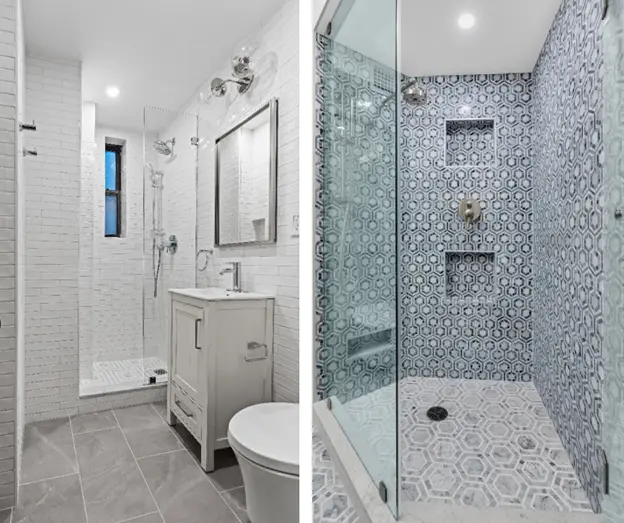
Porcelain & Ceramic Tiles vs. Marble
Porcelain & Ceramic Tiles vs. Marble: Pros and Cons —Which One Is Right for Your Bathroom Project?
When planning a bathroom renovation, one of the most important decisions you’ll make is choosing the right flooring and wall materials. Your choice not only impacts aesthetics but also longevity, maintenance, performance in wet environments, and overall project budget.

In today’s design landscape, three of the most popular options for bathrooms are:
- Porcelain Tile
- Ceramic Tile
- Marble
Each material has its unique strengths and disadvantages —and picking the right one can be overwhelming. In this comprehensive guide, we’ll break down:
✔ Key differences between porcelain, ceramic tile, and marble
✔ Pros and cons of each material for bathroom use
✔ Maintenance requirements
✔ Cost considerations
✔ How the Star design team helps clients choose the perfect option for both beauty and durability
Whether you’re renovating a NYC bathroom or planning a complete master bath overhaul, this guide will help you make an informed choice that suits your lifestyle and design goals.
Understanding the Materials
Before we dive into comparisons, let’s clarify what each material really is and why it matters.
Porcelain Tile
Porcelain is a type of ceramic tile, but with higher density and strength. It is made from fine porcelain clays fired at higher temperatures — giving it superior durability.
Key characteristics
- Highly durable and water-resistant
- Low porosity
- Ideal for high-traffic areas
- Comes in a huge range of styles, including realistic stone looks
Ceramic Tile
Ceramic tile is made from natural clay and fired at lower temperatures than porcelain. It’s lightweight, versatile, and affordable.
Key characteristics:
- Great design flexibility
- A budget-friendly tile option
- Slightly more porous than porcelain
Marble
Marble is a natural stone, quarried directly from the earth. Its unique veining and luster make it a luxurious choice — but it also comes with limitations.
Key characteristics:
- Timeless and elegant aesthetic
- High porosity (needs sealing)
- Softer than porcelain and ceramic
Read our latest blog Is Marble Right for Your NYC Apartment Renovation
Porcelain & Ceramic Tile vs. Marble: Side-by-Side Comparison
Let’s compare these materials across key design and performance categories most homeowners care about in a bathroom renovation.
1. Durability & Longevity
Porcelain Tile – Pros
✔ Extremely hard and durable
✔ Excellent resistance to scratching, chipping, and cracking
✔ Ideal for bathroom floors and walls
Ceramic Tile – Pros
✔ Durable for everyday bathroom use
✔ Sufficient for walls and light traffic areas
✔ Easy to replace individual tiles
Marble – Pros
✔ Timeless natural stone beauty
✔ Can last for decades with proper care
Marble – Cons
⛔Softer and more susceptible to scratching
⛔Can stain easily
⛔Sensitive to acidic cleaners
Verdict: If you want maximum performance and minimal wear, porcelain tile is the most durable, followed by ceramic. Marble requires more gentle use and careful maintenance.

2. Water & Moisture Resistance
Bathrooms are wet environments, so water resistance is crucial.
Porcelain Tile
✔ Very low water absorption
✔ Excellent choice for showers, wet areas, and floors
Ceramic Tile
✔ Water resistant, but slightly more porous than porcelain
✔ Best for walls and less wet zones
Marble
⛔Natural stone absorbs water more readily
⛔Requires regular sealing
⛔Staining risk if left unprotected
Verdict: Porcelain tile is typically the best choice for moisture-heavy bathroom zones like shower floors and tub surrounds. Ceramic performs well in splash zones. Marble needs sealing and extra care.

3. Style & Aesthetic Appeal
One area where marble shines is visual impact.
Marble – Pros
✔ Natural veining and variation
✔ High-end luxurious look
✔ Complements classic and modern interiors
Tiles – Pros
✔ Endless styles — including stone and marble look-alikes
✔ Porcelain can mimic marble at a lower cost
✔ Glazed finishes offer design flexibility
Verdict: Marble is unbeatable for classic luxury. However, if you love the marble look but want better durability and lower cost, porcelain tiles with marble looks may be ideal.

4. Maintenance Requirements
Marble
✔ Needs frequent sealing
✔ Sensitive to acidic or abrasive cleaners
✔ Stains more easily
Porcelain Tile
✔ Very low maintenance
✔ Easy to clean with mild soap and water
✔ No sealing required
Ceramic Tile
✔ Moderate maintenance
✔ Grout can stain if not sealed
✔ Best cleaned with pH-neutral cleaners
Verdict: Porcelain wins for ease of maintenance. Marble demands commitment to cleaning routines and sealing.
5. Cost Considerations
Cost varies widely based on material quality, brand, and design
- Porcelain Tile – mid-range to premium pricing depending on style
- Ceramic Tile – generally the most affordable tile option
- Marble – premium natural stone pricing
Installation cost also tends to be higher for marble because it requires expert handling and sealing.
Verdict: If budget is a priority, ceramic or porcelain tile offers excellent quality and design without the marble price tag.
Read our latest blog How to Avoid Budget Blowouts and Overspending on Your Renovation
Real Bathroom Project Scenarios: When to Choose What
To make this more practical, here are some real renovation scenarios Star’s design team often encounters:

Scenario A: High-Traffic Family Bathroom
Best choice: Porcelain Tile
Why: You need durability, water resistance, and easy cleaning — without worrying about daily wear and tear.
Star tip: We often suggest matte porcelain for floors because it’s slip-resistant — especially important for kids’ bathrooms.
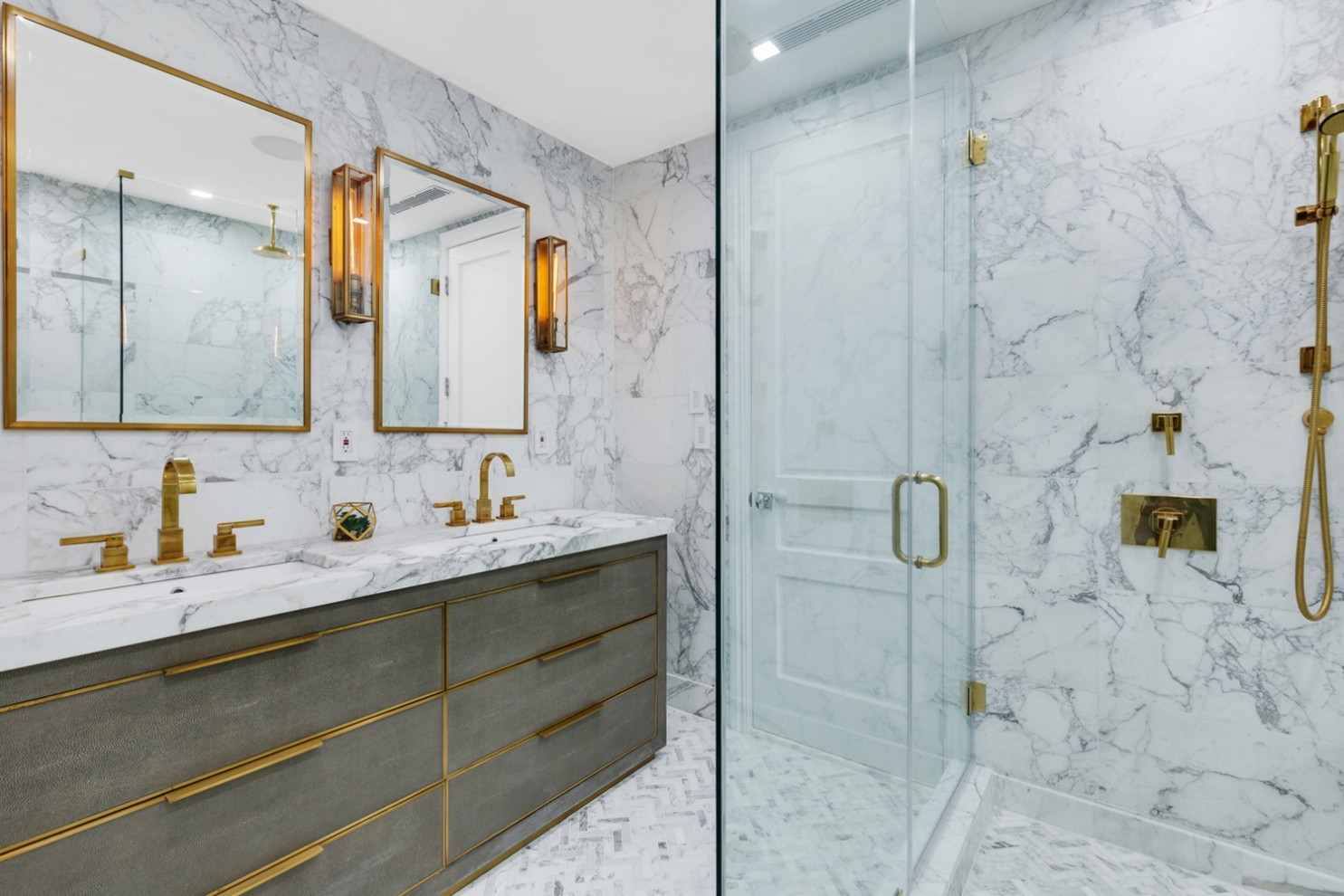
Scenario B: Master Bathroom with Spa Design
Best choice: Marble or Porcelain with Marble Look
Why: Luxury feel is a priority.
Marble option: Choose marble for vanity tops or accent walls where moisture impact is limited and maintenance is manageable.
Porcelain alternative: Use marble-look porcelain
on floors and shower walls to minimize maintenance while keeping elegance.
Scenario C: Budget Remodeling with Maximum Impact
Best choice: Ceramic Tile
Why: Great design versatility at an affordable price point. Available in glossy, textured, and patterned options.
Star tip: Pair ceramic tile with a porcelain floor to balance cost and performance.
Why Star Renovation Prefers Customized Selection
At Star Renovations NY, we view every bathroom project as unique — not one-size-fits-all. Our design team doesn’t just select products based on trends; we consider:
✔ Your Lifestyle
Are you renovating for resale? Is this your forever bathroom? Do you have kids or mobility concerns?
✔ Maintenance Preferences
Are you hands-on with cleaning and upkeep? Or do you want the lowest maintenance option possible?
✔ Design Goals
Classic elegance? Modern minimalism? Rustic charm? Each material can be tailored to your vision.
✔ Budget and Long-Term Value
We compare upfront cost, lifecycle value, and resale investment when making material recommendations.
How Star Design Team Guides You Through the Decision
Here’s a look at our step-by-step process when helping clients choose between porcelain, ceramic tile, and marble:
1. Discovery & Inspiration
During your initial consultation, we listen to your priorities, collect inspiration photos, and understand how you use your bathroom.
Star keyword focus: bathroom tile selection, porcelain vs. ceramic tile, marble bathroom materials
2. Material Education
We educate you about how each material performs in bathrooms— highlighting durability, water resistance, and maintenance.
Clients often tell us:
“We didn’t realize how different porcelain and marble perform in wet environments — Star’s guidance made our choice easy.”
3. Sample Boards & Visualization
You receive digital and physical samples, so you can see how tiles look in your lighting and space.
Pro tip: Porcelain tiles can dramatically shift color based on light — we always encourage real-world sampling.
4. Budget Alignment
We present multiple options at varying price points —ensuring your final selection fits your design vision and investment comfort.
5. Final Selection & Detailing
This includes grout color, tile layout patterns(e.g., herringbone, large-format), and trim options — which dramatically impact the final outcome.

FAQs: Common Questions About Tile vs. Marble for Bathrooms
Q: Is marble okay for shower walls?
A: Yes — but it requires reliable sealing and careful cleaning. Star typically recommends it as an accent or feature wall rather than the entire shower enclosure.
Q: Can porcelain really mimic marble?
A: Absolutely — modern digital-print porcelain tiles can closely resemble marble veining with a fraction of the maintenance. Ideal for marble look without marble care.
Q: Which tiles resist slipping?
A: Porcelain tiles with a textured matte finish or a slip-resistant rating are best for bathroom floors.
Q: How often does marble need sealing?
A: Usually once every 6–12 months depending on use. Star’s team will recommend a sealing schedule based on your specific marble choice.
Maintenance & Cleaning: Best Practices
Porcelain & Ceramic Tile
✔ Clean with mild soap and water
✔ Avoid harsh chemicals
✔ Routine grout sealing keeps grout fresh
Marble
✔ Use pH-neutral cleaners
✔ Avoid vinegar or acidic products
✔ Reseal regularly
✔ Wipe up spills immediately
Star clients love our maintenance plan guidance, so hey know exactly how to care for their new surfaces.

Ready to Choose the Right Tile for Your Bathroom?
Whether you’re drawn to the classic elegance of marble or the practical performance of porcelain or ceramic tile, the Star Renovation design team is here to guide you through every step — from inspiration to installation.
👉 Contact Star Renovation today to start your bathroom transformation with expert advice tailored to your lifestyle, budget, and design vision.