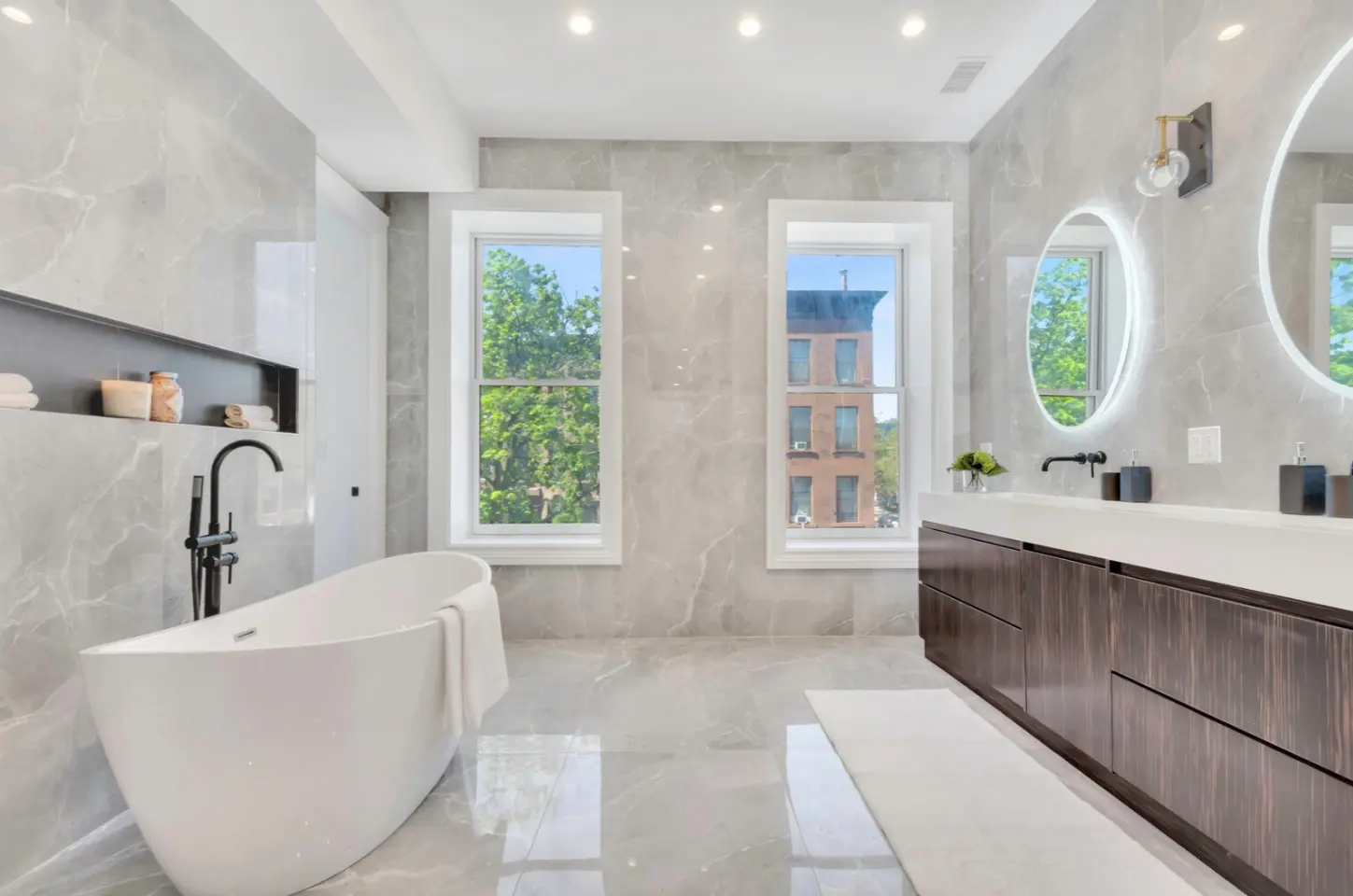
NYC Apartment Gut Renovation Timeline: When to Start Planning
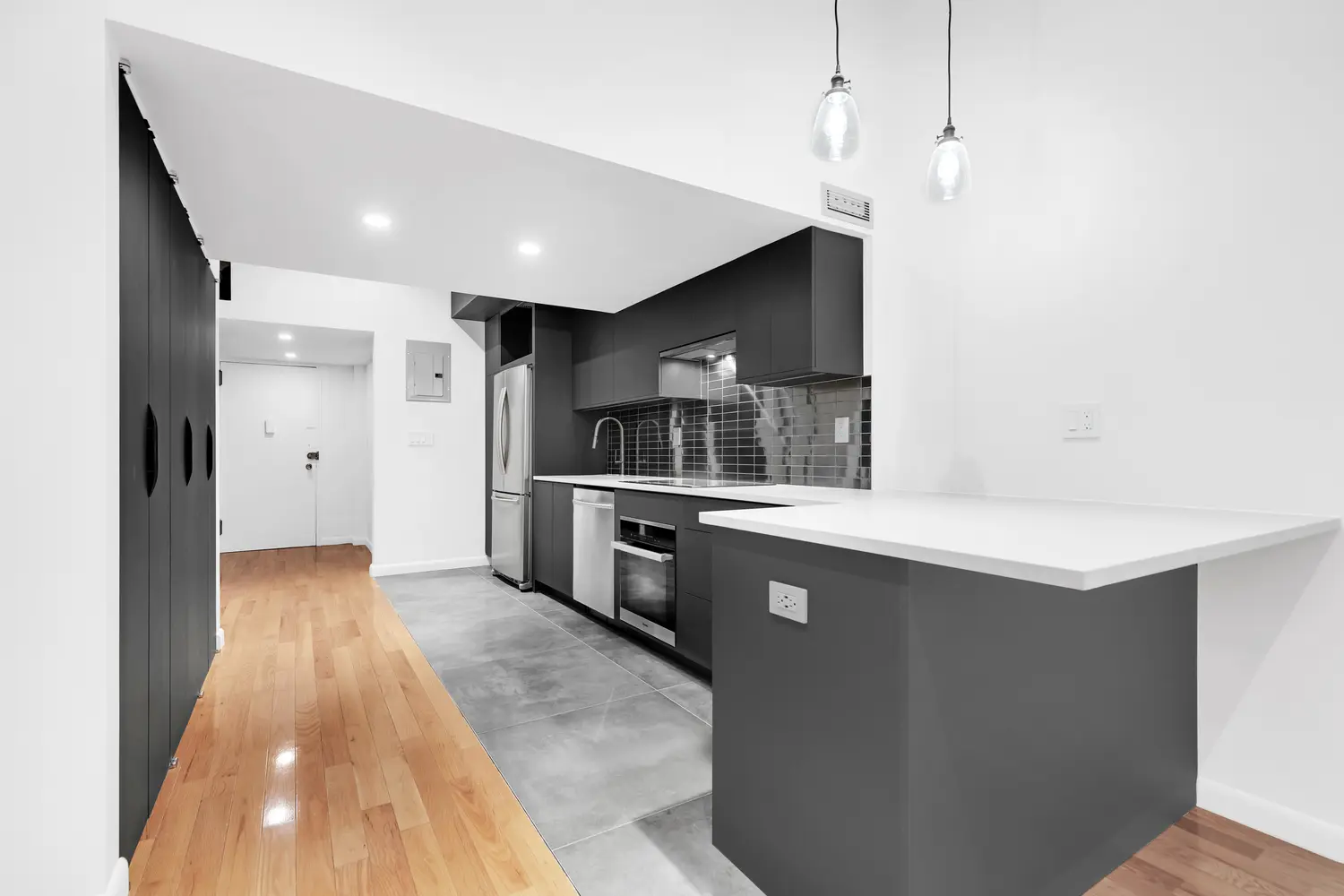
When Is the Best Time to Renovate an NYC Apartment? A Planning-First Timeline
Ask five different contractors when the best time to renovate an apartment in New York City is, and you'll likely get five different seasons. At Star Renovations NY, we think about timing differently. The best time to start a renovation isn't a month on the calendar — it's the day you begin planning, because in this city, the planning phase is where your real timeline gets written.
When you're working with a design-build firm, the clock doesn't start the morning our crew opens the first wall. It starts with co-op or condo board approvals, Department of Buildings permit filings, procurement of cabinetry, stone, and fixtures, and the design decisions that every trade behind them depends on. By the time a client sees demolition begin, we've typically been working on their project for months already.
Planning Comes Before Demolition, and It Takes Longer Than Most People Expect
For most full apartment gut renovations we manage across Manhattan and Brooklyn co-ops, condos, brownstones, and townhouses, preconstruction — design development, board submissions, Department of Buildings filings, and material procurement — runs roughly three to six months before the first nail goes in. Where a project falls in that range depends almost entirely on scope. A single bathroom or a straightforward kitchen refresh tends to move through planning faster. A full gut renovation, a combination of two units, or a prewar layout with structural changes sits at the longer end.
That planning window is also why we tell clients not to anchor a move-in date to a season before a plan exists. We've seen homeowners target a quick summer renovation, only to find that their board's submission requirements or an eight-week stone lead time had already decided the schedule for them. Working backward from board approval and permit realities, rather than forward from a hoped-for start date, is what keeps a full apartment renovation on track from the first design meeting. For a closer look at what that submission process involves, see our guide to the NYC renovation approval package.

What Actually Happens During Those Three to Six Months
Preconstruction on a gut renovation isn't idle time — it's when most of the decisions that protect your budget and your finished space get made.
- Design development and finish selection. Kitchen and bathroom layouts, cabinetry, stone, tile, flooring, plumbing fixtures, lighting, and any custom millwork typically take six to ten weeks to finalize. Locking these choices in early prevents costly changes once walls are open.
- Co-op or condo board approval. Most buildings require an alteration agreement, proof of insurance and licensing, architectural drawings, and board sign-off before any work begins, sometimes alongside engineer or architect review of plumbing and structural changes. We manage this submission package directly with building management, which is often the single biggest variable in a project's start date. See our breakdown of the NYC building alteration agreement process for what buildings typically require.
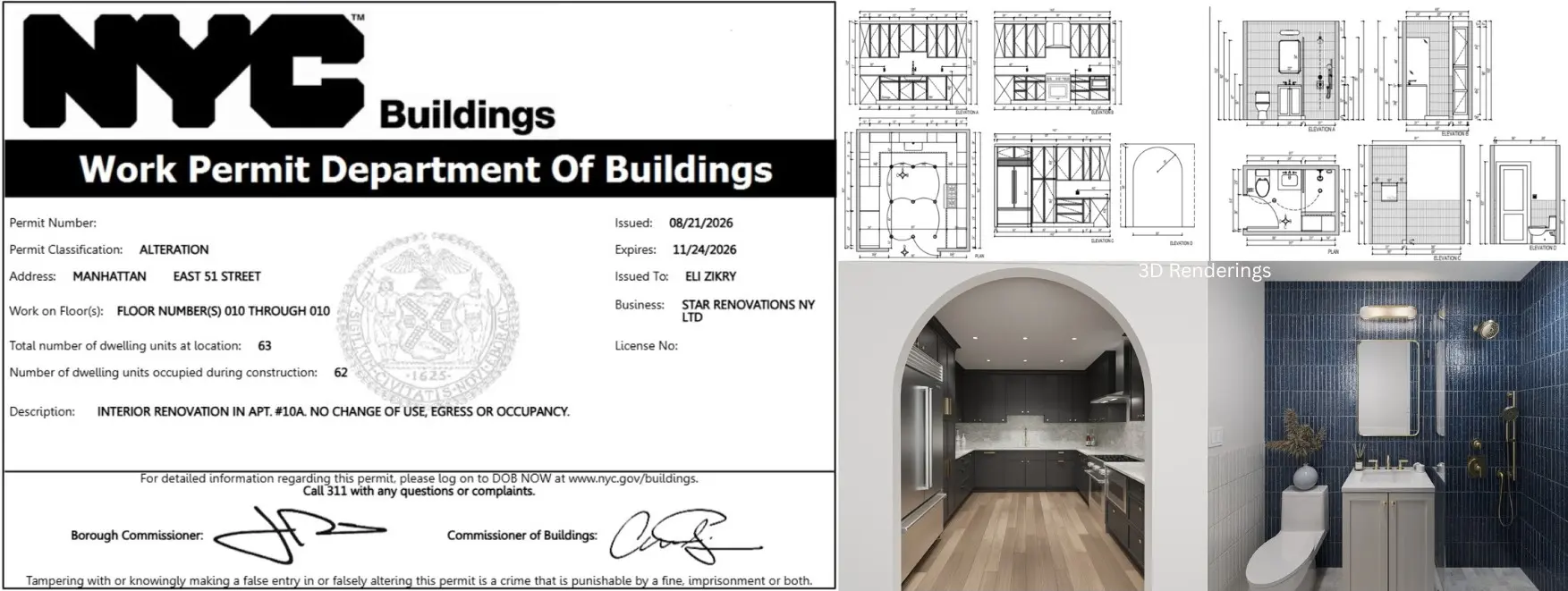
- Department of Buildings permits. Once your building approves the project, most gut renovations require DOB filings — an ALT2 for standard scope-of-work changes, or an ALT1 when a combination or occupancy change is involved. DOB review typically adds another four to twelve weeks depending on scope and current filing volume, as we outline in our NYC full apartment renovation guide to cost, timeline, and permits.
- Procurement and lead times. Custom cabinetry, natural stone, imported tile, specialty plumbing fixtures, and made-to-order millwork can take eight to sixteen weeks to arrive. Ordering during preconstruction, rather than after demolition starts, is what keeps a construction schedule from stalling out while waiting on a vanity or a slab of marble.
Once Approvals Are In Hand, How Long Does Construction Actually Take?
Execution — the actual construction phase — is where apartment size and scope do most of the talking. On the projects we manage, construction alone can run anywhere from about four months to well over a year.
A one-bedroom, one-bathroom apartment around 1,000 square feet typically takes about four months to gut renovate, assuming a standard scope: new kitchen and bath, updated systems, and a straightforward layout.
A classic seven — roughly 3,000 square feet, with a formal layout, multiple bedrooms and bathrooms, and an expanded kitchen — can take up to a year or more, depending on the scope of structural work, mechanical upgrades, and the level of finish detail. Custom millwork, integrated lighting, and multiple stone selections all add time, but they're also what separates a good renovation from the kind of finished space our clients actually want to come home to.
Added to the three-to-six-month planning phase, a full project timeline from first conversation to move-in generally lands somewhere between about seven months for a smaller apartment and eighteen months or more for a large or structurally complex home. Our recent full-gut Manhattan apartment renovation breaks this down further by apartment size and finish level.
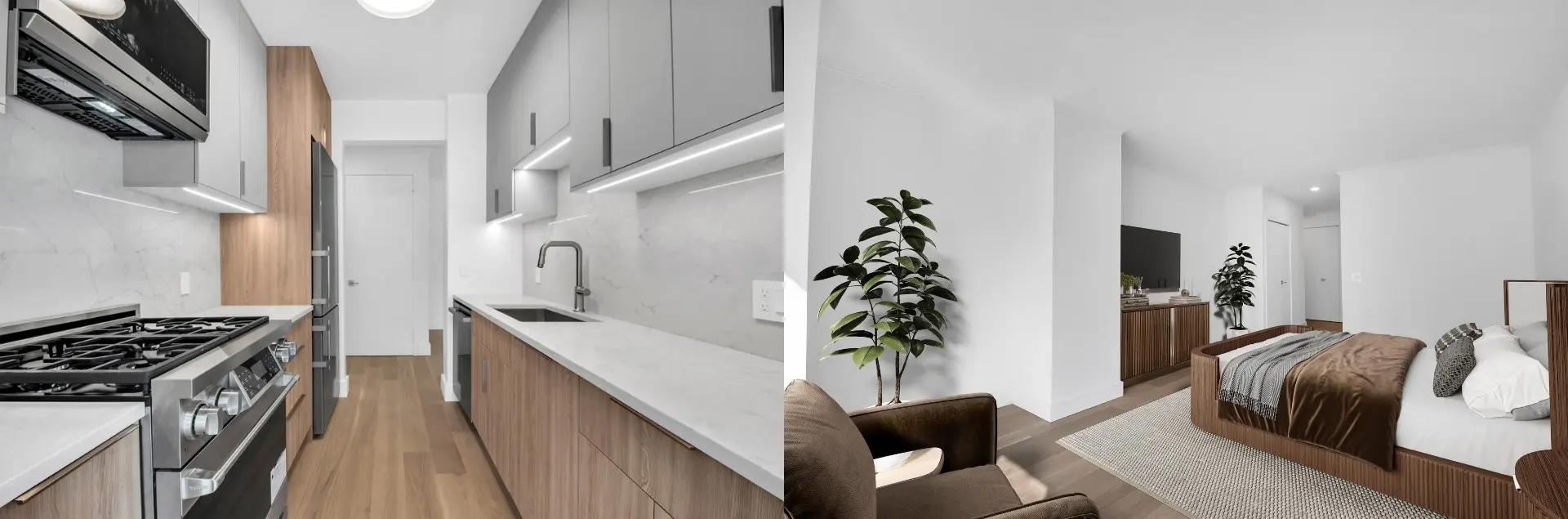
Where Weather Actually Fits In
Season and weather matter, but usually less than people assume, and mostly at the edges of a project rather than at its center.
Winter renovations can run into building-specific blackout periods, particularly in late November and December, when many co-ops and condos restrict noisy work, deliveries, or elevator access around the holidays. Work that touches shared risers, heating systems, or anything exterior-facing, such as window replacement or terrace work, is more sensitive to cold and to coordinating with neighbors who don't want their heat interrupted unexpectedly.
Summer brings its own friction. Move-in and move-out traffic peaks, which means service elevators and loading-dock time can be harder to reserve, and buildings under heavy air-conditioning load are sometimes stricter about scheduling work that affects shared systems.
None of that should be the deciding factor in when you start. A confirmed board approval, materials that are actually on hand, and a realistic construction schedule matter far more than whether you break ground in March or September. We've completed large gut renovations through the winter and modest refreshes that stretched across a summer, simply because of how a building's calendar and a client's material choices lined up.
Match Your Building's Rules to the Calendar
In New York, your building's requirements often shape your timeline more than the weather does. Common restrictions we plan around include limited weekday work hours for anything noisy, required deposits and certificates of insurance, service elevator reservations for deliveries and debris removal, and building-wide blackout periods during the holidays. We covered how these requirements typically get documented in our post on the NYC building alteration agreement process.
Rather than treating these rules as obstacles that show up mid-project, we build them into the schedule from day one: preparing documentation, coordinating with building management and superintendents, and sequencing deliveries and noisy work around the property's actual operating rules.

Why Planning Early With a Design-Build Firm Changes the Math
At Star Renovations NY, design, board approvals, permitting, procurement, and construction run through one team instead of being handed off between separate architects, expediters, and contractors. That's the core of our white-glove, design-build approach: one point of accountability, from the first design conversation through your final punch list, with no sweat and no surprises along the way.
Coordinating those phases together is what lets us compress a timeline that would otherwise run in strict sequence. While a board submission is under review, we're often already finalizing cabinetry orders and refining construction drawings, so work can begin the moment approval and permits come through instead of waiting for the next phase to be scoped from scratch. It's part of how a project like our total gut renovation in Greenwich Village came together on schedule, and it's the same coordinated approach behind combination apartment renovations, where approvals and procurement play an even larger role in the timeline.
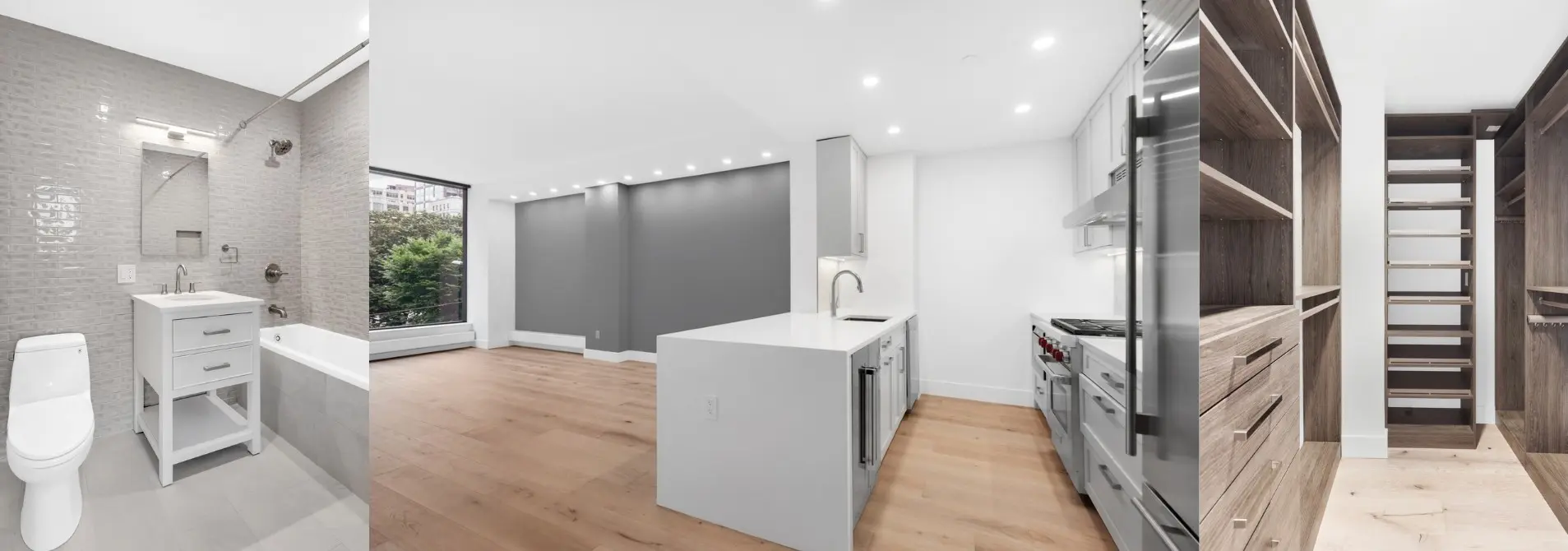
Start Planning Your NYC Gut Renovation
The best time to renovate an apartment in New York City is the one where your design is finalized, your board approval and permits are in hand, your materials are on order, and your construction schedule has room for the level of craftsmanship you're paying for. Getting there is a matter of starting the planning conversation early enough, not picking the right month.
If you're weighing a gut renovation, whether it's a one-bedroom co-op or a 3,000-square-foot classic seven, we'd be glad to walk through what a realistic timeline looks like for your apartment and your building. Contact Star Renovations NY to schedule a design consultation.